Introduction
A cleanroom is a controlled environment that is designed to minimize the presence of airborne particles, such as dust, pollen, and other contaminants. The importance of cleanroom classification cannot be overstated, as it plays a crucial role in ensuring the quality and reliability of products manufactured in these environments. In this article, we will provide a comprehensive guide to cleanroom classification and supply requirements, with a focus on the Indian market. The cleanroom classification system is based on the number of particles per cubic meter of air, and it is essential to understand the different class levels to ensure that the correct cleanroom supplies are used.
The cleanroom classification system is used to define the level of cleanliness required for a particular application. The most common cleanroom classifications are class 100, class 1000, class 10000, and class 100000. Each class level has its own set of requirements and guidelines, and it is essential to understand these requirements to ensure that the correct cleanroom supplies are used. The cleanroom classification system is based on the ISO 14644-1 standard, which provides a framework for cleanroom classification and testing.
In addition to the cleanroom classification system, it is also essential to understand the different types of cleaning that are used in cleanrooms. The most common types of cleaning are type A, type B, and type C cleaning. Each type of cleaning has its own set of requirements and guidelines, and it is essential to understand these requirements to ensure that the correct cleaning procedures are used. The cleanroom classification system and the types of cleaning are essential components of a cleanroom environment, and it is essential to understand these components to ensure that the cleanroom is operated safely and efficiently.
Understanding Cleanroom Classifications
The cleanroom classification system is based on the number of particles per cubic meter of air. The most common cleanroom classifications are class 100, class 1000, class 10000, and class 100000. Each class level has its own set of requirements and guidelines, and it is essential to understand these requirements to ensure that the correct cleanroom supplies are used. The cleanroom classification system is used to define the level of cleanliness required for a particular application.
The class 100 cleanroom is the most stringent cleanroom classification, and it is used for applications that require the highest level of cleanliness. The class 1000 cleanroom is less stringent than the class 100 cleanroom, but it is still used for applications that require a high level of cleanliness. The class 10000 and class 100000 cleanrooms are less stringent than the class 1000 cleanroom, and they are used for applications that require a lower level of cleanliness.
The cleanroom classification system is based on the ISO 14644-1 standard, which provides a framework for cleanroom classification and testing. The ISO 14644-1 standard defines the requirements for cleanroom classification, including the number of particles per cubic meter of air, the types of particles that are allowed, and the testing procedures that must be used to verify the cleanroom classification. The ISO 14644-1 standard is widely used in the cleanroom industry, and it is essential to understand this standard to ensure that the correct cleanroom supplies are used.
Cleanroom Supply Requirements
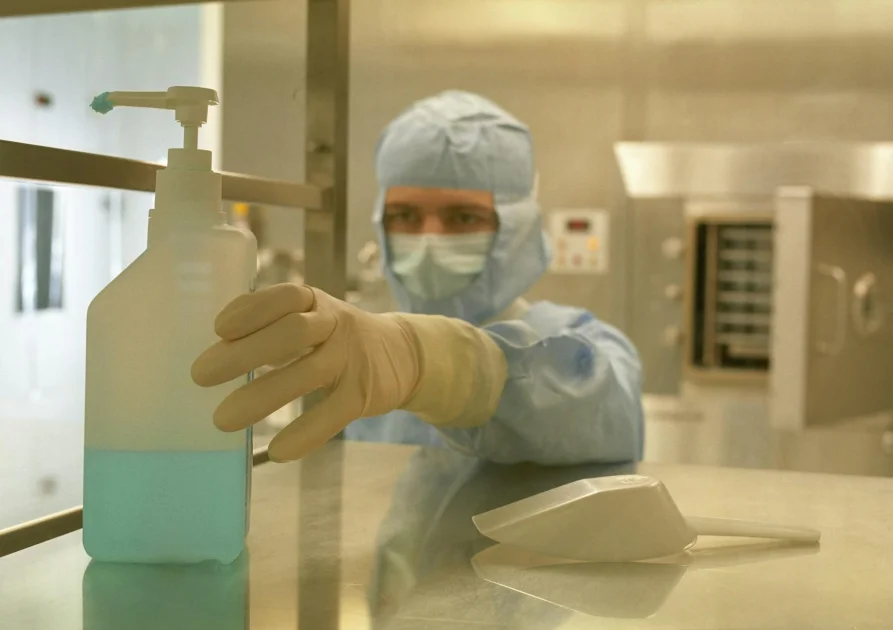
The cleanroom supply requirements vary depending on the cleanroom classification and the application. The most common cleanroom supplies include gloves, gowns, masks, and cleaning solutions. Each type of cleanroom supply has its own set of requirements and guidelines, and it is essential to understand these requirements to ensure that the correct cleanroom supplies are used.
The gloves used in cleanrooms must be made of a material that is resistant to chemicals and particles. The most common materials used for gloves are latex and nitrile. The gowns used in cleanrooms must be made of a material that is resistant to particles and chemicals. The most common materials used for gowns are polyester and polypropylene. The masks used in cleanrooms must be designed to filter out particles and chemicals. The most common types of masks are surgical masks and respirator masks.
- Gloves: must be made of a material that is resistant to chemicals and particles
- Gowns: must be made of a material that is resistant to particles and chemicals
- Masks: must be designed to filter out particles and chemicals
Indian Market Specifics
The Indian market for cleanroom supplies is growing rapidly, driven by the increasing demand for cleanroom environments in the pharmaceutical, biotechnology, and electronics industries. The Indian government has implemented various regulations and standards to ensure the quality and safety of cleanroom supplies. The most common regulations and standards used in India are the ISO 14644-1 standard and the GMP guidelines.
The ISO 14644-1 standard is widely used in India, and it provides a framework for cleanroom classification and testing. The GMP guidelines are used to ensure the quality and safety of cleanroom supplies, and they provide a framework for the manufacture, testing, and distribution of cleanroom supplies. The Indian market for cleanroom supplies is highly competitive, and it is essential to understand the regulations and standards used in India to ensure that the correct cleanroom supplies are used.
The Indian market for cleanroom supplies is also driven by the increasing demand for cleanroom environments in the hospitals and healthcare industries. The Indian government has implemented various initiatives to improve the quality and safety of hospitals and healthcare facilities, and this has driven the demand for cleanroom supplies. The Indian market for cleanroom supplies is expected to continue growing in the future, driven by the increasing demand for cleanroom environments in various industries.
Comparison and Selection Criteria
When selecting cleanroom supplies, it is essential to consider various factors, including the cleanroom classification, the application, and the budget. The most common cleanroom supplies include gloves, gowns, masks, and cleaning solutions. Each type of cleanroom supply has its own set of requirements and guidelines, and it is essential to understand these requirements to ensure that the correct cleanroom supplies are used.
The cleanroom classification is the most important factor to consider when selecting cleanroom supplies. The cleanroom classification determines the level of cleanliness required, and it is essential to select cleanroom supplies that meet the required cleanroom classification. The application is also an important factor to consider, as it determines the type of cleanroom supplies required. The budget is also an important factor to consider, as it determines the cost of the cleanroom supplies.
- Cleanroom classification: determines the level of cleanliness required
- Application: determines the type of cleanroom supplies required
- Budget: determines the cost of the cleanroom supplies
Cost Analysis and ROI
The cost of cleanroom supplies can vary depending on the cleanroom classification, the application, and the budget. The most common cleanroom supplies include gloves, gowns, masks, and cleaning solutions. Each type of cleanroom supply has its own set of requirements and guidelines, and it is essential to understand these requirements to ensure that the correct cleanroom supplies are used.
The cost of cleanroom supplies can be significant, and it is essential to consider the ROI when selecting cleanroom supplies. The ROI of cleanroom supplies can be calculated by considering the cost of the cleanroom supplies, the cost of the cleanroom environment, and the benefits of using cleanroom supplies. The benefits of using cleanroom supplies include the reduction of contamination, the improvement of product quality, and the reduction of costs.
The cost of cleanroom supplies can be reduced by considering various factors, including the cleanroom classification, the application, and the budget. The cleanroom classification determines the level of cleanliness required, and it is essential to select cleanroom supplies that meet the required cleanroom classification. The application determines the type of cleanroom supplies required, and it is essential to select cleanroom supplies that meet the required application. The budget determines the cost of the cleanroom supplies, and it is essential to select cleanroom supplies that meet the required budget.
Implementation Guide
The implementation of cleanroom supplies requires a thorough understanding of the cleanroom classification, the application, and the budget. The most common cleanroom supplies include gloves, gowns, masks, and cleaning solutions. Each type of cleanroom supply has its own set of requirements and guidelines, and it is essential to understand these requirements to ensure that the correct cleanroom supplies are used.
The implementation of cleanroom supplies requires a step-by-step approach, including the selection of cleanroom supplies, the installation of cleanroom equipment, and the training of personnel. The selection of cleanroom supplies requires a thorough understanding of the cleanroom classification, the application, and the budget. The installation of cleanroom equipment requires a thorough understanding of the cleanroom environment, including the ventilation system, the temperature control system, and the humidity control system.
- Selection of cleanroom supplies: requires a thorough understanding of the cleanroom classification, the application, and the budget
- Installation of cleanroom equipment: requires a thorough understanding of the cleanroom environment, including the ventilation system, the temperature control system, and the humidity control system
- Training of personnel: requires a thorough understanding of the cleanroom supplies, the cleanroom equipment, and the cleanroom environment
Frequently Asked Questions
What are the requirements for a cleanroom classification?
The requirements for a cleanroom classification include the number of particles per cubic meter of air, the types of particles that are allowed, and the testing procedures that must be used to verify the cleanroom classification.
What does class 100 and class 1000 cleanroom mean?
The class 100 cleanroom is the most stringent cleanroom classification, and it is used for applications that require the highest level of cleanliness. The class 1000 cleanroom is less stringent than the class 100 cleanroom, but it is still used for applications that require a high level of cleanliness.
What are the ISO 7 cleanroom guidelines?
The ISO 7 cleanroom guidelines provide a framework for cleanroom classification and testing, and they define the requirements for cleanroom supplies, including gloves, gowns, masks, and cleaning solutions.
What is type A, type B, and type C cleaning?
The type A cleaning is the most stringent cleaning procedure, and it is used for applications that require the highest level of cleanliness. The type B cleaning is less stringent than the type A cleaning, but it is still used for applications that require a high level of cleanliness. The type C cleaning is the least stringent cleaning procedure, and it is used for applications that require a lower level of cleanliness.