Introduction
Cleanroom garments and apparel are essential for maintaining a cleanroom environment, free from contamination and risk. The importance of quality assured supplies cannot be overstated, as it directly impacts the management of risk and assurance of control in different industries such as pharmaceuticals, healthcare, and manufacturing. In this article, we will delve into the world of cleanroom garments and provide a comprehensive guide for procurement managers, factory supervisors, and warehouse managers in India.
The cleanroom environment requires a high level of quality control, and the garments worn by personnel play a crucial role in maintaining this standard. Garment manufacturers must adhere to strict guidelines and regulations to ensure that their products meet the required quality standards. In this article, we will explore the different aspects of cleanroom garments, including the materials used, the manufacturing process, and the importance of quality assurance.
The cleanroom industry in India is growing rapidly, with an increasing demand for cleanroom garments and apparel. As a result, there is a need for a comprehensive guide that provides information on the different types of cleanroom garments available, their features, and the factors to consider when selecting the right garment for a specific application. In this article, we will provide a detailed analysis of the cleanroom garment market in India and offer practical tips and advice for procurement managers and factory supervisors.
Cleanroom Garment Materials and Manufacturing
The materials used to manufacture cleanroom garments are carefully selected to ensure that they meet the required quality standards. The most common materials used are polyester, cotton, and polypropylene. These materials are chosen for their breathability, durability, and resistance to contamination.
The manufacturing process for cleanroom garments involves several stages, including design, pattern making, cutting, and sewing. Each stage requires careful attention to detail to ensure that the final product meets the required quality standards. Garment manufacturers must also adhere to strict quality control procedures to ensure that their products are free from defects and contamination.
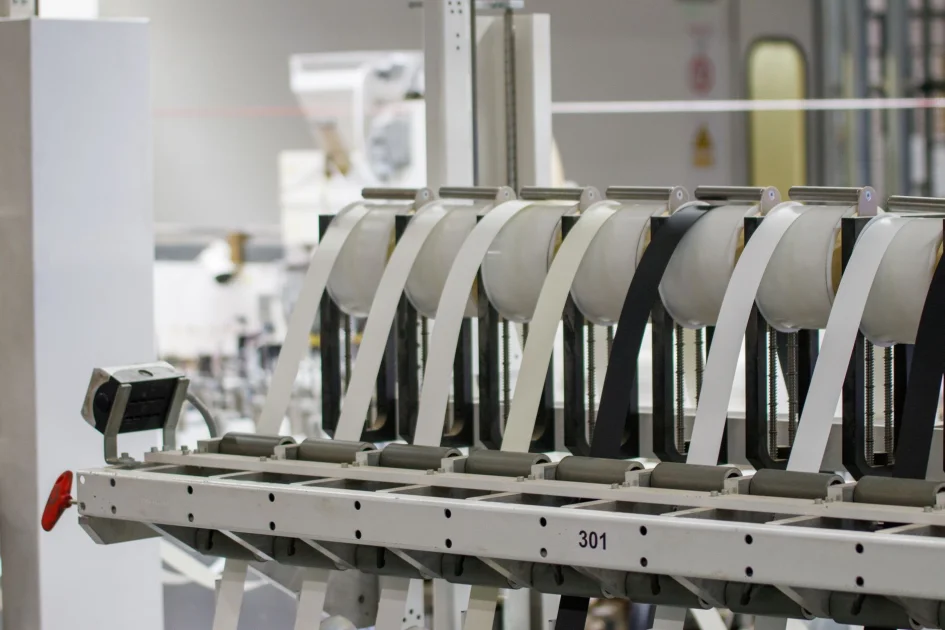
The cleanroom garment manufacturing process also involves the use of specialized equipment, such as ultrasonic cutting machines and laser sewing machines. These machines are designed to minimize the risk of contamination and ensure that the final product meets the required quality standards.
Cleanroom Garment Features and Benefits
Cleanroom garments have several features that make them ideal for use in cleanroom environments. Some of the key features include:
- Breathability: Cleanroom garments are designed to be breathable, allowing for airflow and moisture transfer while preventing the entry of contaminants.
- Durability: Cleanroom garments are made from durable materials that can withstand repeated washing and wear.
- Resistance to contamination: Cleanroom garments are designed to resist contamination from bacteria, viruses, and other microorganisms.
The benefits of using cleanroom garments include:
- Reduced risk of contamination: Cleanroom garments help to prevent the entry of contaminants into the cleanroom environment.
- Improved product quality: Cleanroom garments help to ensure that products are manufactured in a clean and controlled environment.
- Increased efficiency: Cleanroom garments can help to improve efficiency by reducing the need for rework and rejects.
Indian Market Specifics and Regulations
The cleanroom garment market in India is subject to several regulations and standards. Some of the key regulations include:
- ISO 14644: This standard specifies the requirements for cleanroom environments, including the use of cleanroom garments.
- ISO 13485: This standard specifies the requirements for medical devices, including the use of cleanroom garments in their manufacture.
- GMP: This regulation specifies the requirements for good manufacturing practices, including the use of cleanroom garments in the manufacture of pharmaceuticals and medical devices.
The Indian government has also established several initiatives to promote the use of cleanroom garments in the country. These initiatives include:
- Make in India: This initiative aims to promote the manufacture of cleanroom garments and other medical devices in India.
- Start-up India: This initiative aims to promote the growth of start-ups in the cleanroom garment industry.
Comparison and Selection Criteria
When selecting a cleanroom garment, there are several factors to consider. Some of the key factors include:
- Material: The material used to manufacture the garment is an important consideration. Polyester, cotton, and polypropylene are popular choices.
- Design: The design of the garment is also an important consideration. Cleanroom garments should be designed to minimize the risk of contamination.
- Quality: The quality of the garment is also an important consideration. Cleanroom garments should be manufactured to the highest quality standards.
A comparison of different cleanroom garments is provided in the following table:
| Garment | Material | Design | Quality |
|---|---|---|---|
| Cleanroom coverall | Polyester | Full-body coverage | High-quality |
| Cleanroom lab coat | Cotton | Lab coat design | Medium-quality |
Cost Analysis and ROI
The cost of cleanroom garments can vary depending on the material, design, and quality of the garment. However, the cost of cleanroom garments is a small fraction of the overall cost of cleanroom operations.
The return on investment (ROI) of cleanroom garments can be significant. By reducing the risk of contamination and improving product quality, cleanroom garments can help to increase efficiency and reduce costs.
Some of the key cost savings associated with cleanroom garments include:
- Reduced rework and rejects: Cleanroom garments can help to reduce the need for rework and rejects, resulting in cost savings.
- Improved product quality: Cleanroom garments can help to improve product quality, resulting in cost savings and increased customer satisfaction.
- Increased efficiency: Cleanroom garments can help to improve efficiency, resulting in cost savings and increased productivity.
Implementation Guide and Best Practices
Implementing a cleanroom garment program requires careful planning and attention to detail. Some of the key steps involved in implementing a cleanroom garment program include:
- Conducting a risk assessment: Conducting a risk assessment to identify potential contamination risks and develop strategies to mitigate them.
- Developing a cleaning and maintenance schedule: Developing a cleaning and maintenance schedule to ensure that cleanroom garments are properly cleaned and maintained.
- Training personnel: Training personnel on the proper use and care of cleanroom garments.
Some of the key best practices for cleanroom garments include:
- Using cleanroom garments that meet or exceed ISO 14644 standards
- Regularly inspecting and maintaining cleanroom garments
- Providing training on the proper use and care of cleanroom garments
Frequently Asked Questions
What is a cleanroom garment?
A cleanroom garment is a type of clothing designed to be worn in a cleanroom environment to prevent contamination.
What are the 7 tools of quality control in the garment industry?
The 7 tools of quality control in the garment industry are check sheets, control charts, fishbone diagrams, histograms, Pareto charts, scatter diagrams, and flowcharts.
What materials are approved for cleanroom?
The materials approved for cleanroom use are polyester, cotton, and polypropylene.
What are cleanroom garments made of?
Cleanroom garments are made from a variety of materials, including polyester, cotton, and polypropylene.