Introduction
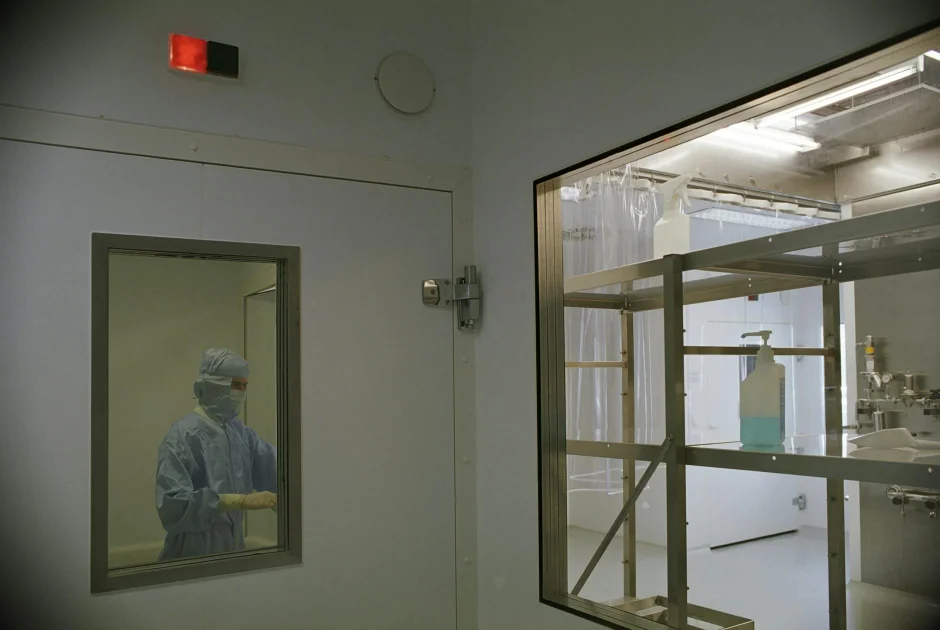
Setting up a cleanroom on a budget is a crucial step for factories, warehouses, hospitals, and pharma companies in India, as it helps maintain product quality and ensures compliance with regulatory standards. A cleanroom is a controlled environment that minimizes airborne particles, making it essential for industries that require high levels of cleanliness. In this article, we will provide a comprehensive guide on how to set up a compliant cleanroom on a budget in 2026. We will cover the importance of design, equipment, and standards in setting up a cleanroom.
The cost of setting up a cleanroom can vary greatly depending on the size, design, and equipment required. However, with a well-planned budget and a thorough understanding of the standards and regulations, it is possible to set up a compliant cleanroom without breaking the bank. In this article, we will provide a step-by-step guide on how to set up a cleanroom on a budget, including the cost of equipment and design considerations.
Setting up a cleanroom requires careful planning and attention to detail. It is essential to consider the standards and regulations that apply to your industry, as well as the specific requirements of your cleanroom. In this article, we will provide a detailed guide on how to set up a compliant cleanroom, including the design and equipment required. We will also discuss the importance of budget planning and provide tips on how to save cost without compromising on quality.
Understanding Cleanroom Standards
Understanding cleanroom standards is crucial in setting up a compliant cleanroom. The most common standards used in the industry are the ISO 14644-1 and the US Federal Standard 209E. These standards provide guidelines on the maximum allowable particle count per cubic meter of air. The standards also provide guidelines on the design and equipment required for a cleanroom.
The standards for cleanrooms are classified into different classes, ranging from Class 1 to Class 9. The class of the cleanroom determines the maximum allowable particle count per cubic meter of air. For example, a Class 100 cleanroom has a maximum allowable particle count of 100 particles per cubic meter of air. The class of the cleanroom also determines the design and equipment required.
When setting up a cleanroom, it is essential to consider the standards and regulations that apply to your industry. The standards and regulations will determine the class of the cleanroom required, as well as the design and equipment needed. In this article, we will provide a detailed guide on how to set up a compliant cleanroom, including the standards and regulations that apply to different industries.
Designing a Cleanroom
Designing a cleanroom requires careful consideration of several factors, including the layout, ventilation, and lighting. The design of the cleanroom should be such that it minimizes airborne particles and prevents contamination. The design should also consider the equipment and supplies required for the cleanroom.
When designing a cleanroom, it is essential to consider the workflow and the movement of personnel and materials. The design should be such that it minimizes the risk of contamination and ensures that the cleanroom remains compliant with the relevant standards and regulations. In this article, we will provide a detailed guide on how to design a cleanroom, including the layout, ventilation, and lighting requirements.
The design of the cleanroom should also consider the budget and the cost of the equipment and supplies required. It is essential to balance the cost with the need for a compliant cleanroom. In this article, we will provide a detailed guide on how to design a cleanroom on a budget, including the cost of the equipment and supplies required.
Equipment and Supplies
The equipment and supplies required for a cleanroom vary depending on the class of the cleanroom and the specific requirements of the industry. Some of the common equipment and supplies required for a cleanroom include HEPA filters, gloves, masks, and cleaning supplies.
When selecting equipment and supplies for a cleanroom, it is essential to consider the quality and the price. It is also essential to consider the compatibility of the equipment and supplies with the cleanroom and the specific requirements of the industry. In this article, we will provide a detailed guide on how to select the right equipment and supplies for a cleanroom, including the cost and the quality considerations.
Some of the key features to consider when selecting equipment and supplies for a cleanroom include:
- Quality: The equipment and supplies should be of high quality and meet the relevant standards and regulations.
- Price: The equipment and supplies should be affordable and within the budget of the organization.
- Compatibility: The equipment and supplies should be compatible with the cleanroom and the specific requirements of the industry.
Indian Market Specifics
The Indian market for cleanrooms is growing rapidly, driven by the increasing demand for cleanrooms in the pharmaceutical, biotechnology, and electronics industries. The Indian government has also implemented several initiatives to promote the growth of the cleanroom industry, including the provision of incentives for companies that invest in cleanroom technology.
In India, the cleanroom industry is regulated by several government agencies, including the Ministry of Health and Family Welfare and the Ministry of Environment, Forest and Climate Change. The regulations and standards for cleanrooms in India are based on international standards, such as the ISO 14644-1 and the US Federal Standard 209E.
When setting up a cleanroom in India, it is essential to consider the local regulations and standards. It is also essential to consider the cost and the budget requirements for setting up a cleanroom in India. In this article, we will provide a detailed guide on how to set up a cleanroom in India, including the local regulations and standards that apply.
Comparison and Selection
When selecting equipment and supplies for a cleanroom, it is essential to compare the different options available. Some of the key factors to consider when comparing equipment and supplies include the quality, price, and compatibility with the cleanroom.
When selecting a cleanroom design and equipment, it is essential to consider the cost and the budget requirements. It is also essential to consider the standards and regulations that apply to the cleanroom. In this article, we will provide a detailed guide on how to compare and select the right equipment and supplies for a cleanroom, including the cost and the budget considerations.
Some of the key features to consider when comparing equipment and supplies for a cleanroom include:
- Quality: The equipment and supplies should be of high quality and meet the relevant standards and regulations.
- Price: The equipment and supplies should be affordable and within the budget of the organization.
- Compatibility: The equipment and supplies should be compatible with the cleanroom and the specific requirements of the industry.
Cost Analysis and ROI
The cost of setting up a cleanroom can vary greatly depending on the design, equipment, and supplies required. However, the cost of setting up a cleanroom can be justified by the return on investment (ROI) that it provides.
A cleanroom can provide several benefits to an organization, including improved product quality, increased efficiency, and reduced costs. The cleanroom can also provide a competitive advantage to the organization, as it demonstrates a commitment to quality and excellence.
When analyzing the cost of setting up a cleanroom, it is essential to consider the budget and the cost requirements. It is also essential to consider the ROI that the cleanroom will provide. In this article, we will provide a detailed guide on how to analyze the cost of setting up a cleanroom, including the budget and the ROI considerations.
Implementation Guide
Implementing a cleanroom requires careful planning and attention to detail. It is essential to consider the design, equipment, and supplies required for the cleanroom, as well as the budget and cost requirements.
When implementing a cleanroom, it is essential to consider the workflow and the movement of personnel and materials. The cleanroom should be designed to minimize the risk of contamination and ensure that the cleanroom remains compliant with the relevant standards and regulations.
Some of the key steps to consider when implementing a cleanroom include:
- Planning: The cleanroom should be carefully planned, including the design, equipment, and supplies required.
- Execution: The cleanroom should be executed according to the plan, including the installation of equipment and supplies.
- Testing: The cleanroom should be tested to ensure that it meets the relevant standards and regulations.
Frequently Asked Questions
How much does it cost to set up a cleanroom?
The cost of setting up a cleanroom can vary greatly depending on the design, equipment, and supplies required. However, the cost can be justified by the return on investment (ROI) that it provides.
Is class 100 cleanroom better than 1000?
A Class 100 cleanroom is considered better than a Class 1000 cleanroom because it has a lower particle count per cubic meter of air. However, the class of the cleanroom required depends on the specific requirements of the industry and the standards and regulations that apply.
What are some common clean room mistakes?
Some common clean room mistakes include poor design, inadequate equipment and supplies, and insufficient training for personnel. It is essential to avoid these mistakes to ensure that the cleanroom remains compliant with the relevant standards and regulations.
How to set up a clean room?
Setting up a clean room requires careful planning and attention to detail. It is essential to consider the design, equipment, and supplies required for the clean room, as well as the budget and cost requirements.