Introduction
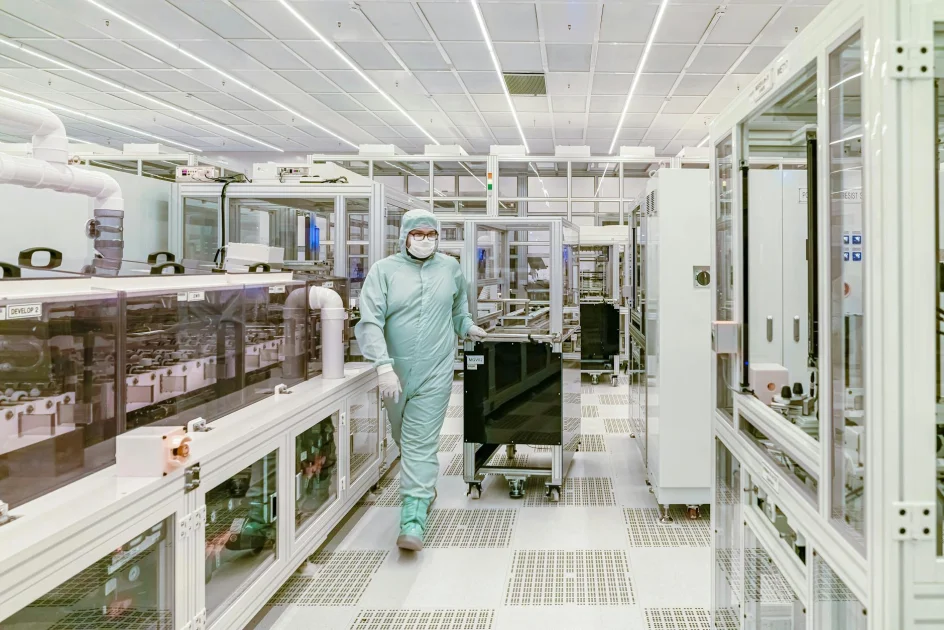
A cleanroom is a controlled environment that is crucial for industries such as pharmaceuticals, healthcare, and manufacturing, where the emphasis is on compliance with ISO standards. The primary goal of a cleanroom is to minimize the presence of contaminants, such as dust, bacteria, and other airborne particles, to ensure the quality and safety of products. In this article, we will delve into the world of cleanroom supplies and provide a comprehensive guide on everything you need to know for ISO compliance.
The importance of cleanroom supplies cannot be overstated, as they play a critical role in maintaining the integrity of the cleanroom environment. From cleaning equipment to surfaces and equipment, every aspect of the cleanroom must be carefully considered to ensure compliance with ISO standards. In this article, we will explore the different types of cleanroom supplies available, their uses, and the benefits of using them.
In addition to cleanroom supplies, we will also discuss the importance of certification and requirements for ISO compliance. We will examine the different class levels of cleanrooms and the specific requirements for each level. By the end of this article, you will have a thorough understanding of everything you need to know about cleanroom supplies and ISO compliance.
Understanding Cleanroom Class Levels
A cleanroom is classified into different levels based on the number of particles per cubic meter. The most common class levels are ISO 7, ISO 8, and ISO 9. Each class level has its own set of requirements and standards that must be met to ensure compliance. For example, a class 1000 cleanroom is required to have no more than 1000 particles per cubic meter.
The cleaning process is also critical in maintaining the cleanroom environment. This includes the use of cleaning equipment, such as vacuum cleaners and mops, as well as cleaning supplies, such as disinfectants and sanitizers. The type of cleaning equipment and supplies used will depend on the class level of the cleanroom and the specific requirements of the industry.
In addition to cleaning equipment and supplies, the surfaces and equipment used in the cleanroom must also be carefully considered. This includes the use of stainless steel and plastic surfaces, as well as equipment such as laminar flow cabinets and glove boxes. The type of surfaces and equipment used will depend on the class level of the cleanroom and the specific requirements of the industry.
Cleanroom Supplies and Equipment
The following are some of the most common cleanroom supplies and equipment used in the industry:
- Cleaning equipment, such as vacuum cleaners and mops
- Cleaning supplies, such as disinfectants and sanitizers
- Surfaces, such as stainless steel and plastic
- Equipment, such as laminar flow cabinets and glove boxes
The use of cleanroom supplies and equipment is critical in maintaining the cleanroom environment. The type of supplies and equipment used will depend on the class level of the cleanroom and the specific requirements of the industry. For example, a class 100 cleanroom will require more stringent cleaning and disinfection procedures than a class 1000 cleanroom.
In addition to the type of supplies and equipment used, the frequency of cleaning and disinfection is also critical. The cleanroom should be cleaned and disinfected regularly to prevent the buildup of contaminants. The frequency of cleaning and disinfection will depend on the class level of the cleanroom and the specific requirements of the industry.
Indian Market Specifics and Regulations
The Indian market for cleanroom supplies is growing rapidly, driven by the increasing demand for cleanroom environments in the pharmaceutical, healthcare, and manufacturing industries. The Indian government has established regulations and standards for cleanrooms, including the ISO 14644 standard for cleanroom classification.
The following are some of the key regulations and standards for cleanrooms in India:
- ISO 14644: This standard provides guidelines for the classification of cleanrooms based on the number of particles per cubic meter.
- ISO 14698: This standard provides guidelines for the cleaning and disinfection of cleanrooms.
- GMP: This standard provides guidelines for the manufacture of pharmaceutical products in a cleanroom environment.
The Indian government has also established certification programs for cleanroom suppliers and manufacturers. These programs aim to ensure that cleanroom supplies and equipment meet the required standards and regulations.
Comparison and Selection Criteria for Cleanroom Supplies
When selecting cleanroom supplies and equipment, there are several factors to consider. The following are some of the key selection criteria to consider:
- Quality: The cleanroom supplies and equipment should meet the required standards and regulations.
- Price: The cleanroom supplies and equipment should be competitively priced.
- Reliability: The cleanroom supplies and equipment should be reliable and durable.
- Customer support: The supplier should provide good customer support and after-sales service.
The following is a comparison of some of the key cleanroom supplies and equipment available in the market:
- Cleaning equipment: Vacuum cleaners, mops, and cleaning solutions.
- Cleaning supplies: Disinfectants, sanitizers, and cleaning wipes.
- Surfaces: Stainless steel and plastic surfaces.
- Equipment: Laminar flow cabinets and glove boxes.
Cost Analysis and ROI of Cleanroom Supplies
The cost of cleanroom supplies and equipment can be significant, but it is essential to consider the long-term benefits and return on investment (ROI). The following are some of the key costs to consider:
- Initial investment: The initial cost of purchasing cleanroom supplies and equipment.
- Operating costs: The ongoing costs of maintaining and operating the cleanroom environment.
- Maintenance costs: The costs of repairing and replacing cleanroom supplies and equipment.
The ROI of cleanroom supplies and equipment can be significant, particularly in industries where the quality of products is critical. The following are some of the key benefits to consider:
- Improved product quality: The use of cleanroom supplies and equipment can improve the quality of products.
- Increased efficiency: The use of cleanroom supplies and equipment can increase efficiency and reduce costs.
- Reduced contamination: The use of cleanroom supplies and equipment can reduce the risk of contamination.
Implementation Guide for Cleanroom Supplies
The implementation of cleanroom supplies and equipment requires careful planning and execution. The following are some of the key steps to consider:
- Assess the cleanroom environment: Assess the cleanroom environment to determine the required cleanroom supplies and equipment.
- Select the required supplies and equipment: Select the required cleanroom supplies and equipment based on the assessment.
- Install and commission the supplies and equipment: Install and commission the cleanroom supplies and equipment.
- Train personnel: Train personnel on the use and maintenance of the cleanroom supplies and equipment.
The implementation of cleanroom supplies and equipment can be complex and time-consuming, but it is essential to ensure the quality and safety of products.
Frequently Asked Questions
What are the ISO requirements for clean rooms?
The ISO requirements for clean rooms include the classification of clean rooms based on the number of particles per cubic meter, as well as the use of cleaning equipment and supplies to maintain the clean room environment.
What materials are allowed in a clean room?
The materials allowed in a clean room include stainless steel and plastic surfaces, as well as equipment such as laminar flow cabinets and glove boxes.
What are ISO compliance requirements?
The ISO compliance requirements include the classification of clean rooms based on the number of particles per cubic meter, as well as the use of cleaning equipment and supplies to maintain the clean room environment.
What are the ISO 7 cleanroom guidelines?
The ISO 7 cleanroom guidelines include the classification of clean rooms based on the number of particles per cubic meter, as well as the use of cleaning equipment and supplies to maintain the clean room environment.