Introduction
Cleanroom supplies are essential for maintaining compliance with ISO standards in controlled environments such as factories, warehouses, hospitals, and pharma companies. In India, the demand for cleanroom supplies is increasing due to the growing need for contamination control and cleaning solutions. As a procurement manager or factory supervisor, it is crucial to understand the importance of cleanroom supplies in maintaining a compliant environment. This article will provide a comprehensive guide on cleanroom supplies, including a checklist, standards, and a buying guide.
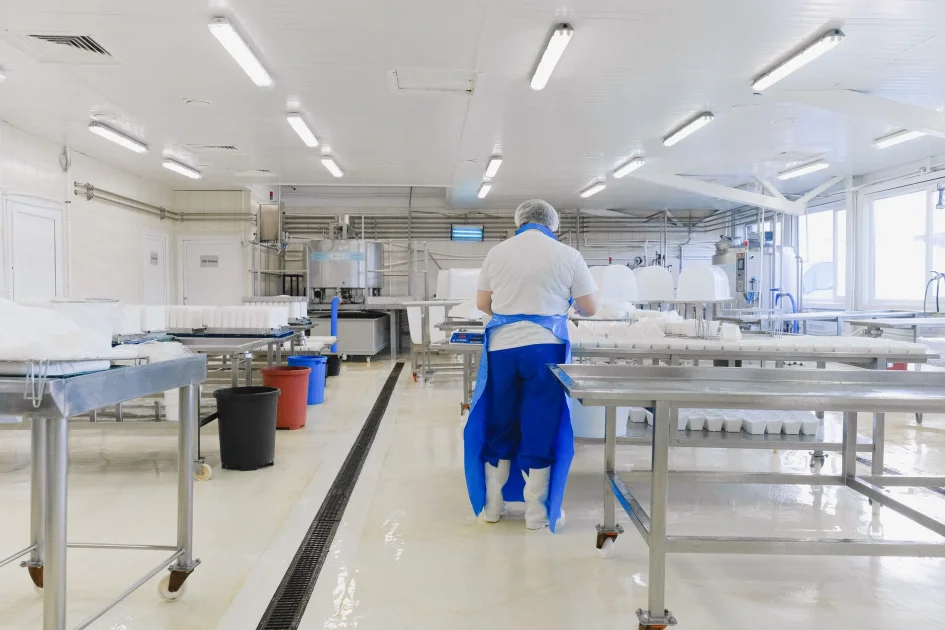
The cleanroom environment is a critical area where products are manufactured, packaged, or stored. To maintain the integrity of these products, it is essential to control the level of contamination in the environment. Cleanroom supplies play a vital role in achieving this goal. From gloves and gowns to mops and cleaning solutions, every supply is designed to prevent contamination and maintain a clean environment.
In India, the pharma and healthcare industries are the primary users of cleanroom supplies. These industries require a high level of compliance with ISO standards to ensure the quality and safety of their products. As a result, the demand for cleanroom supplies is increasing, and manufacturers are looking for reliable suppliers who can provide high-quality products.
Cleanroom Supplies and Compliance
Cleanroom supplies are designed to meet the stringent requirements of ISO standards. These supplies are made from materials that are resistant to contamination and can withstand the rigors of cleaning and disinfection. From cleaning solutions to disinfectants, every supply is designed to maintain a clean and compliant environment.
When it comes to compliance, it is essential to understand the requirements of ISO standards. The ISO 14644 standard, for example, provides guidelines for cleanroom design, construction, and operation. This standard also requires cleanroom supplies to meet specific standards for quality and performance. As a result, manufacturers must ensure that their cleanroom supplies meet these standards to maintain compliance.
To maintain compliance, it is essential to have a checklist of cleanroom supplies. This checklist should include gloves, gowns, mops, cleaning solutions, and disinfectants. The checklist should also include inspection and testing procedures to ensure that the cleanroom supplies meet the required standards.
Cleanroom Supplies and Materials
Cleanroom supplies are made from a variety of materials, including polypropylene, polyethylene, and polyester. These materials are resistant to contamination and can withstand the rigors of cleaning and disinfection. The choice of material depends on the application and the level of contamination control required.
- Polypropylene is a popular material for cleanroom supplies due to its resistance to chemicals and temperatures.
- Polyethylene is another material used for cleanroom supplies, particularly for gloves and gowns.
- Polyester is a material used for cleanroom filters and other applications where high filtration efficiency is required.
When selecting cleanroom supplies, it is essential to consider the materials used and their compatibility with the cleanroom environment. The materials should be resistant to contamination and able to withstand the rigors of cleaning and disinfection.
Cleanroom Supplies in the Indian Market
In India, the cleanroom supplies market is growing rapidly due to the increasing demand from the pharma and healthcare industries. The Indian government has implemented regulations and standards to ensure that cleanroom supplies meet the required standards for quality and performance.
The Indian market offers a wide range of cleanroom supplies, including gloves, gowns, mops, cleaning solutions, and disinfectants. The suppliers in India offer high-quality products that meet the required standards for compliance and quality.
- The Indian government has implemented regulations such as the Good Manufacturing Practices (GMP) to ensure that cleanroom supplies meet the required standards.
- The Indian Standards (IS) organization has developed standards for cleanroom supplies, including IS 14644 for cleanroom design, construction, and operation.
- The Indian market offers a wide range of cleanroom supplies, including customized products designed to meet specific requirements.
Buying Guide for Cleanroom Supplies
When buying cleanroom supplies, it is essential to consider several factors, including the quality of the products, the price, and the supplier. A reliable supplier can provide high-quality products that meet the required standards for compliance and quality.
A buying guide can help procurement managers and factory supervisors make informed decisions when purchasing cleanroom supplies. The buying guide should include factors such as the type of cleanroom, the level of contamination control required, and the budget.
- Quality is a critical factor when buying cleanroom supplies. The products should meet the required standards for quality and performance.
- Price is another factor to consider when buying cleanroom supplies. The price should be competitive and reflect the value of the products.
- Supplier is a critical factor when buying cleanroom supplies. The supplier should be reliable and provide high-quality products that meet the required standards.
Cost Analysis and ROI
The cost of cleanroom supplies can vary depending on the type of cleanroom, the level of contamination control required, and the budget. A cost analysis can help procurement managers and factory supervisors understand the cost of cleanroom supplies and the return on investment (ROI).
A cost analysis should include factors such as the cost of the products, the cost of installation, and the cost of maintenance. The ROI should be calculated based on the benefits of using cleanroom supplies, including the reduction of contamination and the improvement of product quality.
- Cost savings can be achieved by reducing the cost of cleanroom supplies and maintenance.
- Improved product quality can be achieved by using high-quality cleanroom supplies that meet the required standards.
- Increased efficiency can be achieved by using cleanroom supplies that are designed to streamline cleaning and disinfection processes.
Implementation Guide
An implementation guide can help procurement managers and factory supervisors implement cleanroom supplies effectively. The guide should include factors such as the installation of cleanroom supplies, the training of personnel, and the maintenance of cleanroom supplies.
A step-by-step guide can help ensure that cleanroom supplies are implemented correctly and that the cleanroom environment is maintained effectively. The guide should include checklists and procedures for cleaning, disinfection, and maintenance.
- Installation of cleanroom supplies should be done according to the manufacturer's instructions.
- Training of personnel should be done to ensure that they understand the proper use and maintenance of cleanroom supplies.
- Maintenance of cleanroom supplies should be done regularly to ensure that they continue to meet the required standards for quality and performance.
Frequently Asked Questions
What are the ISO requirements for clean rooms?
The ISO 14644 standard provides guidelines for cleanroom design, construction, and operation. The standard requires cleanroom supplies to meet specific standards for quality and performance.
Which of the following supplies is required in the clean room?
The required supplies for a cleanroom include gloves, gowns, mops, cleaning solutions, and disinfectants.
What materials are approved for cleanroom?
The approved materials for cleanroom supplies include polypropylene, polyethylene, and polyester. These materials are resistant to contamination and can withstand the rigors of cleaning and disinfection.
What are cleanroom supplies?
Cleanroom supplies are products designed to maintain a clean and compliant environment in cleanrooms. These supplies include gloves, gowns, mops, cleaning solutions, and disinfectants.