Introduction
A cleanroom is a controlled environment that is crucial for industries such as pharmaceuticals, healthcare, and manufacturing, where the presence of dust, bacteria, and other contaminants can compromise the quality of products. In a cleanroom, the air is continuously filtered to remove particles and contaminants, and the environment is strictly controlled to maintain a high level of cleanliness and compliance with ISO standards. The focus of this article is on cleanroom supplies, which are essential for maintaining the integrity of the cleanroom environment. Compliance with ISO standards is critical for industries that require a cleanroom, and the right cleanroom supplies can help ensure that the environment remains clean and compliant.
The importance of cleanroom supplies cannot be overstated, as they play a critical role in maintaining the cleanliness and compliance of the cleanroom environment. From cleaning supplies to equipment, every aspect of the cleanroom must be carefully controlled to prevent contamination. In this article, we will provide a comprehensive overview of cleanroom supplies and their role in maintaining compliance with ISO standards.
The use of cleanroom supplies is not limited to pharmaceuticals and healthcare, but also extends to other industries such as manufacturing and research. Any industry that requires a cleanroom environment must use cleanroom supplies to maintain the integrity of the environment. In this article, we will explore the different types of cleanroom supplies and their applications in various industries.
Cleanroom Requirements
A cleanroom is a complex environment that requires careful planning and execution to maintain compliance with ISO standards. The requirements for a cleanroom include a controlled environment, specialized equipment, and trained personnel. The cleanroom must be designed to minimize the introduction of contaminants, and the air must be continuously filtered to remove particles and bacteria.
The cleanroom environment is classified into different classes based on the level of cleanliness required. The most common classes are ISO 5, ISO 6, ISO 7, and ISO 8. Each class has its own set of requirements and standards that must be met to maintain compliance. The cleanroom supplies used in each class must be carefully selected to ensure that they meet the requirements of that class.
The cleanroom environment is not just limited to the physical space, but also includes the equipment and supplies used in the cleanroom. The equipment must be designed to minimize the introduction of contaminants, and the supplies must be carefully selected to ensure that they meet the requirements of the cleanroom. In this article, we will explore the different types of cleanroom supplies and their applications in various industries.
Cleanroom Supplies
Cleanroom supplies are a critical component of the cleanroom environment. They include a wide range of products such as cleaning supplies, equipment, and personal protective equipment. The cleanroom supplies must be carefully selected to ensure that they meet the requirements of the cleanroom and do not compromise the cleanliness of the environment.
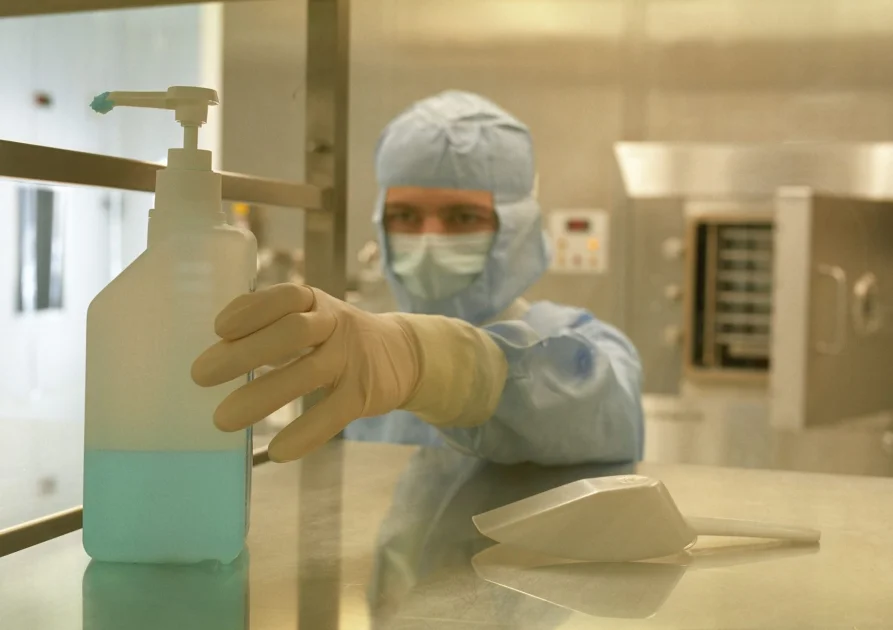
Some of the common cleanroom supplies include gloves, gowns, masks, and cleaning solutions. These supplies must be made of materials that are compatible with the cleanroom environment and do not shed particles or introduce contaminants. The cleanroom supplies must also be carefully packaged and stored to prevent contamination.
The selection of cleanroom supplies is critical to maintaining the cleanliness and compliance of the cleanroom environment. The supplies must be carefully evaluated to ensure that they meet the requirements of the cleanroom and do not compromise the cleanliness of the environment. In this article, we will provide a comprehensive overview of cleanroom supplies and their role in maintaining compliance with ISO standards.
Cleanroom Checklist
A cleanroom checklist is a critical tool for ensuring that the cleanroom environment is maintained in a clean and compliant state. The checklist should include a list of tasks and procedures that must be performed on a regular basis to maintain the cleanliness and compliance of the cleanroom.
Some of the tasks that should be included in the cleanroom checklist include cleaning and disinfecting surfaces, checking and replacing filters, and monitoring the cleanroom environment for contaminants. The checklist should also include procedures for handling and disposing of waste, and for training personnel on cleanroom procedures.
The cleanroom checklist should be reviewed and updated on a regular basis to ensure that it remains effective and relevant. The checklist should also be communicated to all personnel who work in the cleanroom to ensure that everyone is aware of their responsibilities and the procedures that must be followed. In this article, we will provide a comprehensive overview of cleanroom checklists and their role in maintaining compliance with ISO standards.
Indian Market Specifics
The Indian market for cleanroom supplies is growing rapidly, driven by the increasing demand for cleanroom environments in industries such as pharmaceuticals and healthcare. The Indian government has established regulations and standards for cleanrooms, which include requirements for cleanroom design, equipment, and supplies.
Some of the key regulations and standards that apply to cleanrooms in India include the ISO 14644 standard, which specifies the requirements for cleanroom design and operation. The Indian Pharmacopoeia also includes guidelines for cleanroom environments in pharmaceutical manufacturing.
The Indian market for cleanroom supplies is highly competitive, with many domestic and international players operating in the market. The market is driven by the increasing demand for cleanroom environments, and the need for high-quality cleanroom supplies that meet international standards. In this article, we will provide a comprehensive overview of the Indian market for cleanroom supplies and the regulations and standards that apply to cleanrooms in India.
Comparison and Selection
When selecting cleanroom supplies, it is critical to compare different products and suppliers to ensure that the best product is chosen for the specific application. The selection of cleanroom supplies should be based on factors such as quality, price, and compatibility with the cleanroom environment.
Some of the key factors to consider when comparing cleanroom supplies include the material of construction, the level of cleanliness required, and the compatibility of the product with the cleanroom environment. The supplies should also be evaluated for their effectiveness in maintaining the cleanliness and compliance of the cleanroom environment.
A comparison table can be used to evaluate different cleanroom supplies and select the best product for the specific application. The table should include factors such as product name, description, price, and compatibility with the cleanroom environment. In this article, we will provide a comprehensive overview of the factors to consider when selecting cleanroom supplies and a comparison table to evaluate different products.
Cost Analysis and ROI
The cost of cleanroom supplies can be significant, and it is critical to evaluate the cost of different products and suppliers to ensure that the best value is obtained. The cost of cleanroom supplies should be evaluated in terms of the total cost of ownership, which includes the initial cost of the product, as well as any ongoing costs such as maintenance and replacement.
The return on investment (ROI) of cleanroom supplies can be significant, as the use of high-quality cleanroom supplies can help to maintain the cleanliness and compliance of the cleanroom environment, and reduce the risk of contamination and product failure. The ROI of cleanroom supplies should be evaluated in terms of the cost savings achieved through the use of high-quality cleanroom supplies, as well as any revenue generated through the sale of products manufactured in the cleanroom environment.
Some of the key factors to consider when evaluating the cost and ROI of cleanroom supplies include the quality of the product, the level of cleanliness required, and the compatibility of the product with the cleanroom environment. The cost and ROI of cleanroom supplies should be evaluated in terms of the total cost of ownership and the return on investment achieved through the use of high-quality cleanroom supplies. In this article, we will provide a comprehensive overview of the factors to consider when evaluating the cost and ROI of cleanroom supplies and provide practical tips for reducing costs and improving ROI.
Implementation Guide
Implementing a cleanroom environment requires careful planning and execution to ensure that the environment is maintained in a clean and compliant state. The implementation of a cleanroom environment should be based on a comprehensive plan that includes the design and construction of the cleanroom, the selection and installation of equipment and supplies, and the training of personnel on cleanroom procedures.
Some of the key steps to consider when implementing a cleanroom environment include the design and construction of the cleanroom, the selection and installation of equipment and supplies, and the training of personnel on cleanroom procedures. The implementation of a cleanroom environment should also include the development of a cleanroom checklist and the establishment of procedures for monitoring and maintaining the cleanroom environment.
A step-by-step guide can be used to implement a cleanroom environment and ensure that the environment is maintained in a clean and compliant state. The guide should include steps such as design and construction of the cleanroom, selection and installation of equipment and supplies, and training of personnel on cleanroom procedures. In this article, we will provide a comprehensive overview of the steps to consider when implementing a cleanroom environment and provide a step-by-step guide for implementing a cleanroom environment.
Frequently Asked Questions
What are the requirements for an ISO cleanroom?
The requirements for an ISO cleanroom include a controlled environment, specialized equipment, and trained personnel. The cleanroom must be designed to minimize the introduction of contaminants, and the air must be continuously filtered to remove particles and bacteria.
What are cleanroom supplies?
Cleanroom supplies are products that are used to maintain the cleanliness and compliance of the cleanroom environment. They include a wide range of products such as cleaning supplies, equipment, and personal protective equipment.
What is the ISO 14644 standard for cleanrooms?
The ISO 14644 standard is a set of guidelines that specify the requirements for cleanroom design and operation. The standard includes requirements for cleanroom classification, cleaning and disinfecting, and monitoring and maintaining the cleanroom environment.
Is ISO 5 or ISO 7 cleaner?
ISO 5 is a cleaner class than ISO 7. The ISO 5 class has a lower level of particles and contaminants than the ISO 7 class, and requires more stringent cleaning and disinfecting procedures to maintain the cleanliness and compliance of the cleanroom environment.