Introduction
Implementing effective cleanroom procedures is crucial for pharma companies to ensure the quality and safety of their products. A cleanroom is a controlled environment that is designed to minimize the presence of contaminants, such as dust, bacteria, and other microorganisms. The importance of cleanroom procedures cannot be overstated, as they play a critical role in preventing contamination and ensuring the integrity of pharmaceutical products. In this article, we will discuss the best practices for implementing effective cleanroom procedures in pharma companies.
The cleanroom environment is highly regulated, and companies must adhere to strict guidelines and standards to ensure compliance. The proper implementation of cleanroom procedures requires a thorough understanding of the principles of cleaning, gowning, and contamination control. By following these practices, companies can minimize the risk of contamination and ensure the quality of their products.
The pharmaceutical industry is subject to strict regulations, and companies must comply with GMP (Good Manufacturing Practice) and ISO (International Organization for Standardization) standards. These standards provide a framework for companies to follow in order to ensure the quality and safety of their products. In the next section, we will discuss the technical aspects of cleanroom procedures and provide a step-by-step guide for implementation.
Understanding Cleanroom Procedures
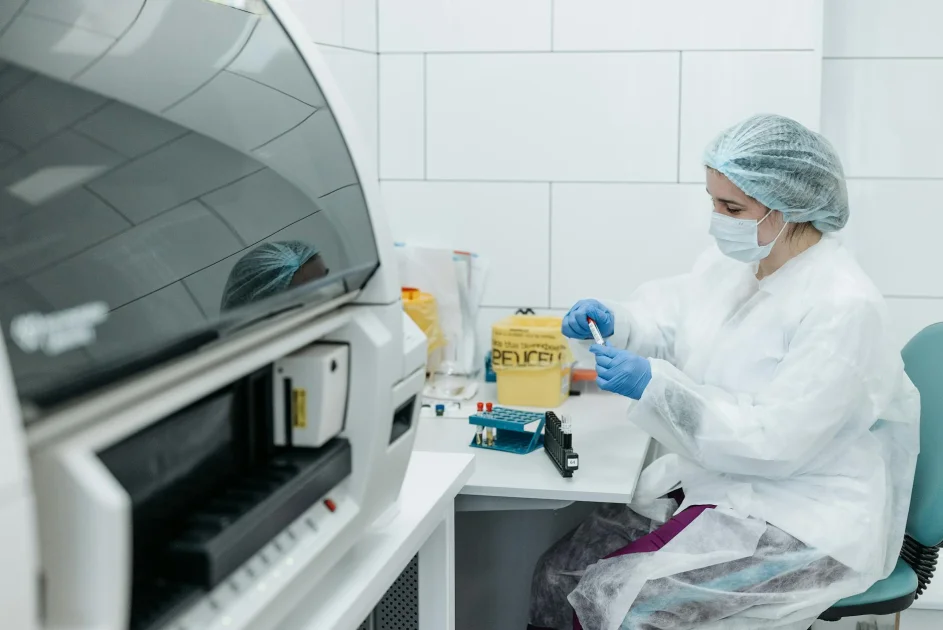
A cleanroom is a complex environment that requires careful planning and management to ensure effective operation. The cleaning process is a critical component of cleanroom procedures, and companies must use proper cleaning techniques and equipment to minimize the risk of contamination. The gowning process is also important, as it helps to prevent the introduction of contaminants into the cleanroom.
The pharmaceutical industry uses a variety of cleanroom equipment, including laminar flow workstations, fume hoods, and biosafety cabinets. These pieces of equipment are designed to provide a controlled environment for the handling and processing of pharmaceutical products. By using proper equipment and following established guidelines, companies can minimize the risk of contamination and ensure the quality of their products.
In addition to cleaning and gowning, companies must also implement effective contamination control measures. This includes the use of HEPA (High Efficiency Particulate Air) filters, UV (Ultraviolet) lighting, and sterilization equipment. By using these measures, companies can minimize the risk of contamination and ensure the quality of their products.
Best Practices for Cleanroom Procedures
The following are some best practices for implementing effective cleanroom procedures:
- Establish a cleaning schedule: Develop a schedule for cleaning and disinfecting the cleanroom and equipment.
- Use proper gowning techniques: Ensure that all personnel wear proper gowning attire, including gloves, masks, and gowns.
- Implement contamination control measures: Use HEPA filters, UV lighting, and sterilization equipment to minimize the risk of contamination.
- Provide training: Provide regular training to personnel on cleanroom procedures and contamination control measures.
By following these best practices, companies can minimize the risk of contamination and ensure the quality of their products. The establishment of a cleaning schedule is critical, as it helps to ensure that the cleanroom and equipment are properly cleaned and disinfected. The use of proper gowning techniques is also important, as it helps to prevent the introduction of contaminants into the cleanroom.
The implementation of contamination control measures is also critical, as it helps to minimize the risk of contamination. The use of HEPA filters, UV lighting, and sterilization equipment is essential for maintaining a controlled environment. By providing regular training to personnel, companies can ensure that they have the knowledge and skills necessary to follow established guidelines and procedures.
Indian Market Specifics
The Indian market is a significant player in the global pharmaceutical industry, and companies must comply with regulations and standards set by the Central Drugs Standard Control Organisation (CDSCO). The CDSCO is responsible for regulating the pharmaceutical industry in India and ensuring that companies comply with GMP and ISO standards.
In addition to regulations, companies must also comply with industry standards, such as ISO 14644 and GMP. These standards provide a framework for companies to follow in order to ensure the quality and safety of their products. By complying with these regulations and standards, companies can minimize the risk of contamination and ensure the quality of their products.
The Indian market is also subject to pricing pressures, and companies must balance the need for quality with the need for affordability. By implementing effective cleanroom procedures, companies can minimize the risk of contamination and ensure the quality of their products, while also reducing costs and improving efficiency.
Comparison and Selection Criteria
When selecting cleanroom equipment and supplies, companies must consider a variety of factors, including quality, price, and reliability. The following are some key considerations:
- Quality: Look for equipment and supplies that meet GMP and ISO standards.
- Price: Consider the cost of equipment and supplies, as well as the long-term benefits of investing in high-quality products.
- Reliability: Choose equipment and supplies that are reliable and durable, and that will minimize the risk of downtime and maintenance.
By considering these factors, companies can select the best cleanroom equipment and supplies for their needs. The quality of equipment and supplies is critical, as it can impact the safety and efficacy of pharmaceutical products. The price of equipment and supplies is also important, as it can impact the bottom line of companies.
The reliability of equipment and supplies is also critical, as it can minimize the risk of downtime and maintenance. By investing in high-quality equipment and supplies, companies can ensure that their cleanroom operates efficiently and effectively.
Cost Analysis and Practical Tips
The cost of implementing effective cleanroom procedures can be significant, but it is essential for ensuring the quality and safety of pharmaceutical products. The following are some practical tips for reducing costs and improving efficiency:
- Implement a cleaning schedule: Develop a schedule for cleaning and disinfecting the cleanroom and equipment.
- Use energy-efficient equipment: Choose equipment that is energy-efficient and that will minimize the risk of downtime and maintenance.
- Provide training: Provide regular training to personnel on cleanroom procedures and contamination control measures.
By following these tips, companies can reduce costs and improve efficiency. The implementation of a cleaning schedule is critical, as it helps to ensure that the cleanroom and equipment are properly cleaned and disinfected. The use of energy-efficient equipment is also important, as it can minimize the risk of downtime and maintenance.
The provision of regular training to personnel is also essential, as it helps to ensure that they have the knowledge and skills necessary to follow established guidelines and procedures. By investing in high-quality equipment and supplies, companies can ensure that their cleanroom operates efficiently and effectively.
Implementation Guide
Implementing effective cleanroom procedures requires a thorough understanding of the principles of cleaning, gowning, and contamination control. The following are some key steps for implementing effective cleanroom procedures:
- Establish a cleaning schedule: Develop a schedule for cleaning and disinfecting the cleanroom and equipment.
- Provide training: Provide regular training to personnel on cleanroom procedures and contamination control measures.
- Implement contamination control measures: Use HEPA filters, UV lighting, and sterilization equipment to minimize the risk of contamination.
By following these steps, companies can implement effective cleanroom procedures and minimize the risk of contamination. The establishment of a cleaning schedule is critical, as it helps to ensure that the cleanroom and equipment are properly cleaned and disinfected. The provision of regular training to personnel is also essential, as it helps to ensure that they have the knowledge and skills necessary to follow established guidelines and procedures.
Frequently Asked Questions
What are the 5 GMP practices?
The 5 GMP practices are cleaning, gowning, contamination control, training, and documentation.
What are the GMP guidelines for cleanrooms?
The GMP guidelines for cleanrooms include establishing a cleaning schedule, providing training to personnel, and implementing contamination control measures.
What are the ISO guidelines for cleanrooms?
The ISO guidelines for cleanrooms include establishing a quality management system, providing training to personnel, and implementing contamination control measures.
What is CIP and SIP in pharma?
CIP (Clean-in-Place) and SIP (Sterilize-in-Place) are cleaning and sterilization techniques used in the pharmaceutical industry to minimize the risk of contamination.