Introduction
Housekeeping supplies for industrial facilities are essential for maintaining a clean and safe environment, and cleaning is a critical aspect of this process. The importance of housekeeping cannot be overstated, as it directly impacts the health and productivity of employees, as well as the overall efficiency of operations. In this article, we will provide a comprehensive comparison of housekeeping supplies for industrial facilities, including industrial material, cleaners, and microfiber cloths. We will also provide a list of essential supplies and offer guidance on selecting the right products for your facility.
The goal of this article is to provide procurement managers, factory supervisors, and warehouse managers in India with the information they need to make informed decisions about housekeeping supplies. We will cover the basics of housekeeping, including the ABCD of housekeeping and the 7 S of housekeeping. We will also provide a step-by-step guide to selecting the right housekeeping supplies for your facility.
In addition to providing a comprehensive overview of housekeeping supplies, we will also cover the importance of pricing and cost analysis. We will provide a breakdown of the costs associated with different types of housekeeping supplies and offer guidance on how to get the best value for your money. Whether you are looking for cleaning solutions, microfiber cloths, or other housekeeping essentials, we have got you covered.
Understanding Housekeeping Supplies
Housekeeping supplies are essential for maintaining a clean and safe environment in industrial facilities. These supplies include a wide range of products, such as cleaners, disinfectants, mops, brooms, and microfiber cloths. When selecting housekeeping supplies, it is important to consider the specific needs of your facility. For example, if you have a large warehouse or factory, you may need to invest in heavy-duty cleaning equipment and supplies.
In addition to considering the specific needs of your facility, it is also important to think about the types of housekeeping tasks that need to be performed. For example, if you have a facility that requires frequent cleaning and disinfecting, you may need to invest in a range of cleaners and disinfectants. On the other hand, if you have a facility that requires more general housekeeping tasks, such as sweeping and mopping, you may need to invest in brooms, mops, and other cleaning tools.
When it comes to housekeeping supplies, there are many different options to choose from. Some common types of housekeeping supplies include:
- Cleaners: These are used to remove dirt, grime, and other substances from surfaces.
- Disinfectants: These are used to kill bacteria, viruses, and other microorganisms that can cause illness.
- Mops: These are used to clean floors and other surfaces.
- Brooms: These are used to sweep floors and other surfaces.
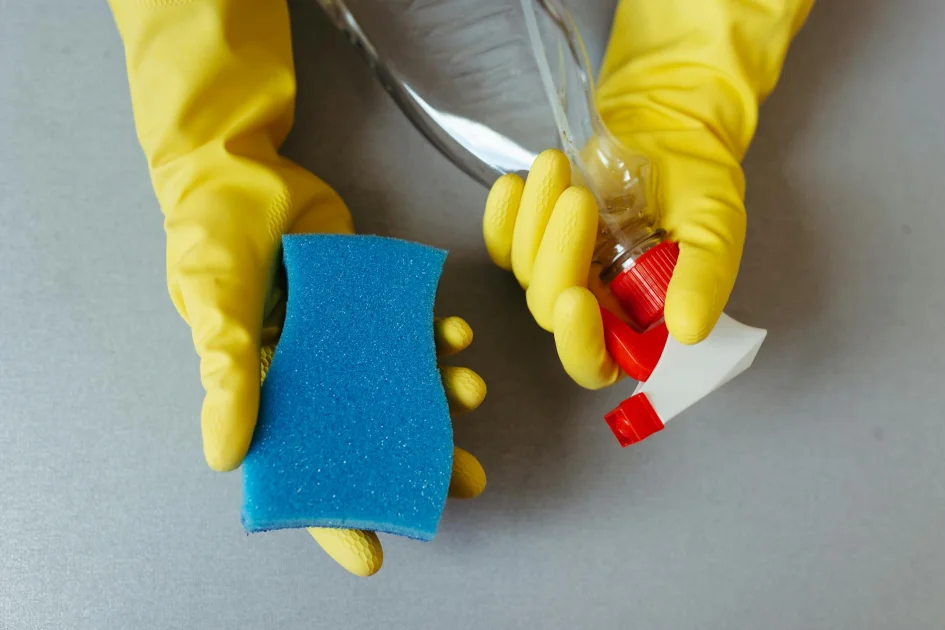
- Microfiber cloths: These are used to clean surfaces and can be used with or without cleaners.
Housekeeping Supplies for Industrial Facilities
When it comes to housekeeping supplies for industrial facilities, there are many different options to choose from. Some common types of housekeeping supplies for industrial facilities include:
- Heavy-duty cleaners: These are used to remove tough dirt and grime from surfaces.
- Industrial-strength disinfectants: These are used to kill bacteria, viruses, and other microorganisms that can cause illness.
- Microfiber cloths: These are used to clean surfaces and can be used with or without cleaners.
- Mops: These are used to clean floors and other surfaces.
- Brooms: These are used to sweep floors and other surfaces.
In addition to these types of housekeeping supplies, there are also many other products that can be used to maintain a clean and safe environment in industrial facilities. For example, trash bags, recycling bins, and sanitary products can all be used to promote housekeeping and maintain a clean and healthy environment.
When selecting housekeeping supplies for industrial facilities, it is also important to consider the specific needs of your facility. For example, if you have a facility that requires frequent cleaning and disinfecting, you may need to invest in a range of cleaners and disinfectants. On the other hand, if you have a facility that requires more general housekeeping tasks, such as sweeping and mopping, you may need to invest in brooms, mops, and other cleaning tools.
Indian Market Specifics
The Indian market for housekeeping supplies is highly competitive, with many different companies offering a range of products. When selecting housekeeping supplies for industrial facilities in India, it is important to consider the specific needs of your facility, as well as the local regulations and standards that apply.
In India, there are many different types of housekeeping supplies available, including cleaners, disinfectants, mops, brooms, and microfiber cloths. When selecting these products, it is important to consider the quality and effectiveness of the product, as well as the price and value for money.
Some of the key regulations and standards that apply to housekeeping supplies in India include:
- ISO 9001: This is a quality management standard that applies to companies that manufacture and supply housekeeping supplies.
- ISO 14001: This is an environmental management standard that applies to companies that manufacture and supply housekeeping supplies.
- Indian Standards: These are standards that apply to specific types of housekeeping supplies, such as cleaners and disinfectants.
Comparison and Selection Criteria
When selecting housekeeping supplies for industrial facilities, there are many different factors to consider. Some of the key factors to consider include:
- Effectiveness: The product should be effective at cleaning and disinfecting surfaces.
- Price: The product should be priced competitively and offer good value for money.
- Quality: The product should be of high quality and durable.
- Safety: The product should be safe to use and not pose any risks to health or the environment.
In addition to these factors, it is also important to consider the specific needs of your facility. For example, if you have a facility that requires frequent cleaning and disinfecting, you may need to invest in a range of cleaners and disinfectants. On the other hand, if you have a facility that requires more general housekeeping tasks, such as sweeping and mopping, you may need to invest in brooms, mops, and other cleaning tools.
Some of the key selection criteria to consider when selecting housekeeping supplies include:
- Product features: Consider the features of the product, such as its effectiveness, price, and quality.
- Supplier reputation: Consider the reputation of the supplier, including their quality of service and customer support.
- Warranty and support: Consider the warranty and support offered by the supplier, including any maintenance or repair services.
Cost Analysis and ROI
When selecting housekeeping supplies for industrial facilities, it is also important to consider the cost and return on investment (ROI). The cost of housekeeping supplies can vary widely, depending on the type and quality of the product, as well as the supplier and any discounts or promotions that may be available.
To calculate the ROI of housekeeping supplies, it is necessary to consider the costs and benefits of the product. Some of the key costs to consider include:
- Purchase price: The initial cost of the product.
- Maintenance and repair costs: The costs of maintaining and repairing the product over time.
- Operating costs: The costs of using the product, such as energy and water costs.
Some of the key benefits to consider include:
- Improved cleanliness and hygiene: The product should improve the cleanliness and hygiene of the facility.
- Increased productivity: The product should increase the productivity of staff and reduce the risk of illness and injury.
- Cost savings: The product should save costs over time, such as by reducing the need for frequent cleaning and disinfecting.
Implementation Guide
Once you have selected the right housekeeping supplies for your industrial facility, it is important to implement them effectively. This includes:
- Training staff: Staff should be trained on how to use the products effectively and safely.
- Developing procedures: Procedures should be developed for using the products, including any necessary safety precautions.
- Monitoring and evaluation: The effectiveness of the products should be monitored and evaluated over time, with any necessary adjustments made.
In addition to these steps, it is also important to consider the overall housekeeping strategy for your facility. This includes:
- Identifying areas for improvement: Areas where housekeeping can be improved should be identified and addressed.
- Developing a cleaning schedule: A cleaning schedule should be developed to ensure that all areas of the facility are cleaned regularly.
- Implementing a maintenance program: A maintenance program should be implemented to ensure that equipment and surfaces are properly maintained.
Frequently Asked Questions
What is R1, R2, R3, R4, R5 in housekeeping?
R1, R2, R3, R4, R5 are levels of cleaning and disinfecting that are used in housekeeping. R1 is the highest level of cleaning and disinfecting, while R5 is the lowest level.
What is ABCD of housekeeping?
The ABCD of housekeeping is a framework for understanding the different aspects of housekeeping. A stands for Appearance, B stands for Biohazards, C stands for Chemicals, and D stands for Disinfection.
What are industrial cleaning supplies?
Industrial cleaning supplies are products that are used to clean and disinfect surfaces in industrial facilities. They include cleaners, disinfectants, mops, brooms, and microfiber cloths.
What are the 7 S of housekeeping?
The 7 S of housekeeping are a framework for understanding the different aspects of housekeeping. They are:
- Sort: Sort out unnecessary items and dispose of them properly.
- Set: Set aside necessary items and store them properly.
- Shine: Shine and polish surfaces to make them clean and attractive.
- Standardize: Standardize housekeeping procedures to ensure consistency and efficiency.
- Sustain: Sustain housekeeping efforts over time to maintain a clean and healthy environment.
- Safe: Ensure that housekeeping procedures are safe and do not pose any risks to health or the environment.
- Secure: Secure housekeeping supplies and equipment to prevent loss or theft.