Introduction
Housekeeping and hygiene supplies are essential for maintaining a clean and healthy environment in industrial facilities, and cleaning supplies play a crucial role in this process. The importance of industrial housekeeping cannot be overstated, as it helps to prevent accidents, reduce the spread of illnesses, and improve overall productivity. In this article, we will delve into the world of housekeeping supplies and explore the various types of cleaners, equipment, and disinfectants that are available for industrial facilities. We will also discuss the 80/20 rule in housekeeping and provide a step-by-step guide on how to implement an effective housekeeping program.
In addition to the health and safety benefits, industrial housekeeping also helps to improve the overall appearance of a facility, which can boost employee morale and create a positive impression on visitors. Furthermore, a clean and well-maintained facility can also help to reduce the risk of equipment damage and extend the lifespan of machinery and other assets. With so many benefits to industrial housekeeping, it is essential to have a comprehensive understanding of the various housekeeping supplies that are available and how to use them effectively.
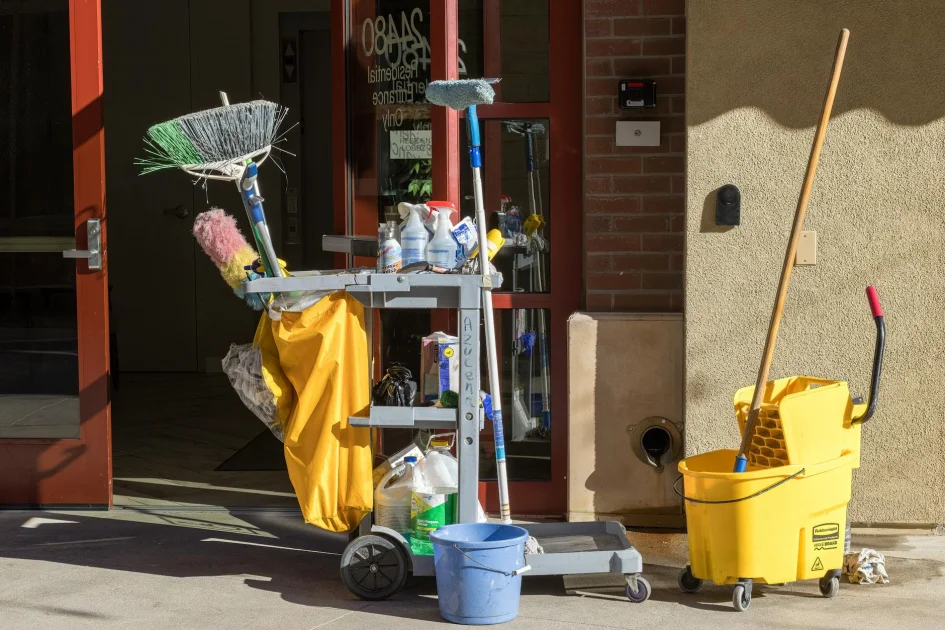
Some of the key housekeeping supplies that are used in industrial facilities include mops, brooms, dustpans, and vacuum cleaners. These cleaning supplies are designed to make cleaning easier and more efficient, and they can be used to clean a variety of surfaces, including floors, walls, and ceilings. In addition to these basic cleaning supplies, there are also a range of specialized cleaners and disinfectants that can be used to tackle specific cleaning tasks, such as grease and grime removal.
When it comes to industrial housekeeping, it is essential to have a well-planned and well-executed strategy in place. This includes identifying the areas of the facility that require the most attention, selecting the right housekeeping supplies for the job, and ensuring that all cleaning tasks are completed on a regular basis. By following these steps, facilities can maintain a clean and healthy environment, reduce the risk of accidents and illnesses, and improve overall productivity.
Understanding Industrial Cleaning Supplies
Industrial cleaning supplies are designed to meet the unique cleaning needs of industrial facilities. These supplies are typically more heavy-duty than those used in domestic cleaning and are designed to tackle tough cleaning tasks, such as grease and grime removal. Some common types of industrial cleaning supplies include degreasers, disinfectants, and sanitizers.
When selecting industrial cleaning supplies, it is essential to consider the specific cleaning needs of the facility. This includes identifying the types of surfaces that need to be cleaned, the level of cleaning required, and any specific cleaning challenges that need to be addressed. By selecting the right cleaning supplies for the job, facilities can ensure that all cleaning tasks are completed efficiently and effectively.
In addition to the types of cleaning supplies used, it is also important to consider the equipment and tools used to apply these supplies. This includes mops, brooms, dustpans, and vacuum cleaners, as well as more specialized equipment, such as pressure washers and steam cleaners. By having the right equipment and tools, facilities can ensure that all cleaning tasks are completed safely and efficiently.
Some of the key benefits of using industrial cleaning supplies include improved cleaning efficiency, reduced cleaning costs, and enhanced facility appearance. By using the right cleaning supplies for the job, facilities can also reduce the risk of accidents and illnesses, and improve overall productivity. With so many benefits to industrial cleaning supplies, it is essential to have a comprehensive understanding of the various types of supplies that are available and how to use them effectively.
Housekeeping Supplies and Equipment
There are many different types of housekeeping supplies and equipment that are used in industrial facilities. Some common examples include:
- Mops and buckets for cleaning floors
- Brooms and dustpans for sweeping and cleaning floors
- Vacuum cleaners for cleaning floors and other surfaces
- Disinfectants and sanitizers for killing bacteria and other microorganisms
- Cleaners and degreasers for cleaning surfaces and removing grease and grime
When selecting housekeeping supplies and equipment, it is essential to consider the specific cleaning needs of the facility. This includes identifying the types of surfaces that need to be cleaned, the level of cleaning required, and any specific cleaning challenges that need to be addressed. By selecting the right supplies and equipment for the job, facilities can ensure that all cleaning tasks are completed efficiently and effectively.
In addition to the types of supplies and equipment used, it is also important to consider the cost of these supplies and equipment. This includes the initial purchase price, as well as any ongoing maintenance and replacement costs. By considering the total cost of ownership, facilities can make informed decisions about which supplies and equipment to use.
Some of the key factors to consider when selecting housekeeping supplies and equipment include:
- Effectiveness: How well do the supplies and equipment clean and maintain the facility?
- Efficiency: How quickly and easily can the supplies and equipment be used to complete cleaning tasks?
- Cost: What is the total cost of ownership for the supplies and equipment?
- Safety: Are the supplies and equipment safe to use and do they pose any risks to employees or the environment?
Indian Market Specifics and Regulations
The Indian market for housekeeping supplies and equipment is highly competitive, with many different manufacturers and suppliers operating in the country. Some of the key regulations and standards that apply to housekeeping supplies and equipment in India include:
- ISO 9001: A quality management standard that applies to all types of organizations, including those that manufacture and supply housekeeping supplies and equipment
- ISO 14001: An environmental management standard that applies to organizations that manufacture and supply housekeeping supplies and equipment
- OHSAS 18001: An occupational health and safety management standard that applies to organizations that manufacture and supply housekeeping supplies and equipment
When selecting housekeeping supplies and equipment for use in India, it is essential to consider these regulations and standards. This includes ensuring that the supplies and equipment meet the relevant quality, environmental, and health and safety standards, as well as complying with any relevant laws and regulations.
Some of the key benefits of using housekeeping supplies and equipment that meet Indian regulations and standards include improved quality, reduced risk, and enhanced reputation. By using supplies and equipment that meet these standards, facilities can ensure that they are providing a safe and healthy environment for their employees, as well as complying with all relevant laws and regulations.
In addition to the regulations and standards that apply to housekeeping supplies and equipment in India, there are also many different types of supplies and equipment that are available for use in the country. Some common examples include:
- Mops and buckets for cleaning floors
- Brooms and dustpans for sweeping and cleaning floors
- Vacuum cleaners for cleaning floors and other surfaces
- Disinfectants and sanitizers for killing bacteria and other microorganisms
Comparison and Selection Criteria
When selecting housekeeping supplies and equipment, it is essential to consider a range of factors, including:
- Effectiveness: How well do the supplies and equipment clean and maintain the facility?
- Efficiency: How quickly and easily can the supplies and equipment be used to complete cleaning tasks?
- Cost: What is the total cost of ownership for the supplies and equipment?
- Safety: Are the supplies and equipment safe to use and do they pose any risks to employees or the environment?
Some of the key benefits of using a comparison and selection criteria include improved decision-making, reduced risk, and enhanced quality. By considering these factors, facilities can ensure that they are selecting the best housekeeping supplies and equipment for their needs, as well as complying with all relevant laws and regulations.
In addition to the factors listed above, it is also essential to consider the specific needs of the facility when selecting housekeeping supplies and equipment. This includes identifying the types of surfaces that need to be cleaned, the level of cleaning required, and any specific cleaning challenges that need to be addressed. By considering these factors, facilities can ensure that they are selecting the right supplies and equipment for the job.
Some common examples of housekeeping supplies and equipment that can be used in industrial facilities include:
- Mops and buckets for cleaning floors
- Brooms and dustpans for sweeping and cleaning floors
- Vacuum cleaners for cleaning floors and other surfaces
- Disinfectants and sanitizers for killing bacteria and other microorganisms
Cost Analysis and ROI
The cost of housekeeping supplies and equipment can vary widely, depending on the specific types of supplies and equipment used, as well as the frequency and quality of cleaning. Some common examples of costs associated with housekeeping supplies and equipment include:
- Initial purchase price: The cost of purchasing the supplies and equipment upfront
- Maintenance and replacement costs: The cost of maintaining and replacing the supplies and equipment over time
- Labor costs: The cost of hiring and training staff to use the supplies and equipment
Some of the key benefits of conducting a cost analysis and calculating the ROI of housekeeping supplies and equipment include improved decision-making, reduced risk, and enhanced quality. By considering these factors, facilities can ensure that they are selecting the best housekeeping supplies and equipment for their needs, as well as complying with all relevant laws and regulations.
In addition to the costs listed above, it is also essential to consider the potential benefits of using housekeeping supplies and equipment. Some common examples of benefits include:
- Improved cleaning efficiency: The ability to clean more quickly and effectively
- Reduced labor costs: The ability to reduce the amount of time and labor required for cleaning
- Enhanced facility appearance: The ability to improve the overall appearance of the facility
Implementation Guide and Best Practices
Implementing an effective housekeeping program requires a range of steps, including:
- Conducting a facility assessment: Identifying the areas of the facility that require the most attention
- Developing a cleaning schedule: Creating a schedule for cleaning tasks and ensuring that they are completed on a regular basis
- Training staff: Providing staff with the training and equipment they need to complete cleaning tasks effectively
Some of the key benefits of implementing an effective housekeeping program include improved cleaning efficiency, reduced risk, and enhanced facility appearance. By following these steps, facilities can ensure that they are providing a safe and healthy environment for their employees, as well as complying with all relevant laws and regulations.
In addition to the steps listed above, it is also essential to consider the specific needs of the facility when implementing an effective housekeeping program. This includes identifying the types of surfaces that need to be cleaned, the level of cleaning required, and any specific cleaning challenges that need to be addressed. By considering these factors, facilities can ensure that they are selecting the right housekeeping supplies and equipment for the job.
Frequently Asked Questions
What are industrial cleaning supplies?
Industrial cleaning supplies are designed to meet the unique cleaning needs of industrial facilities. These supplies are typically more heavy-duty than those used in domestic cleaning and are designed to tackle tough cleaning tasks.
What is the 80/20 rule in housekeeping?
The 80/20 rule in housekeeping refers to the idea that 80% of cleaning tasks can be completed with 20% of the effort. This means that by focusing on the most critical cleaning tasks, facilities can achieve the greatest impact with the least amount of effort.
What is R1, R2, R3, R4, R5 in housekeeping?
R1, R2, R3, R4, R5 are levels of cleaning that refer to the level of cleanliness required for a particular surface or area. R1 is the highest level of cleanliness, while R5 is the lowest.
What are supplies in housekeeping?
Supplies in housekeeping refer to the materials and equipment used to clean and maintain a facility. This can include mops, brooms, dustpans, vacuum cleaners, and other cleaning supplies.