Introduction
Housekeeping and hygiene supplies are essential for maintaining a clean and safe environment in industrial facilities, which is crucial for cleaning and hygiene purposes. The importance of housekeeping cannot be overstated, as it plays a vital role in preventing the spread of diseases and ensuring the overall well-being of employees. In this article, we will delve into the world of housekeeping and hygiene supplies, exploring the various products and equipment available for industrial facilities. We will also discuss the role of housekeeping in industrial hygiene and provide a step-by-step guide on how to implement an effective housekeeping program.
Effective housekeeping is critical for maintaining a safe and healthy work environment. It involves a range of activities, including floor cleaning, waste management, and pest control. By implementing a comprehensive housekeeping program, industrial facilities can reduce the risk of accidents, improve employee morale, and increase productivity. In addition, a well-maintained facility can also enhance the company's reputation and image.
In India, the demand for housekeeping and hygiene supplies is on the rise, driven by the growing awareness of the importance of cleanliness and hygiene in industrial facilities. As a result, there are numerous suppliers offering a wide range of housekeeping and hygiene products, including cleaners, mops, brooms, and disinfectants. However, with so many options available, it can be challenging for procurement managers and factory supervisors to select the right products for their facilities.
Understanding Housekeeping and Hygiene Supplies
Housekeeping and hygiene supplies are designed to maintain a clean and safe environment in industrial facilities. These supplies include a range of products, such as cleaning agents, disinfectants, and personal protective equipment. The choice of housekeeping and hygiene supplies depends on the specific needs of the facility, including the type of industry, the size of the facility, and the number of employees.
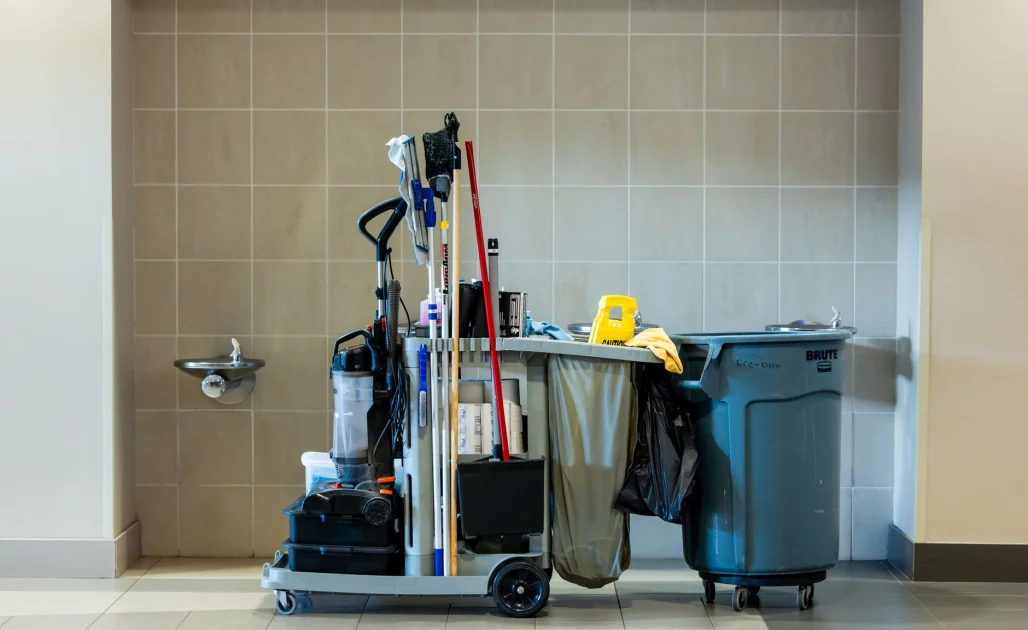
Some of the most common housekeeping and hygiene supplies used in industrial facilities include all-purpose cleaners, glass cleaners, dishwashing liquids, and toilet cleaners. These products are designed to clean and disinfect surfaces, preventing the spread of diseases and maintaining a hygienic environment. In addition to these products, industrial facilities also require equipment such as mops, brooms, and vacuum cleaners to maintain the facility's floors and surfaces.
In terms of safety, housekeeping and hygiene supplies play a critical role in preventing accidents and injuries. For example, slip-resistant floor cleaners can help prevent slips and falls, while personal protective equipment such as gloves and masks can protect employees from hazardous substances. By selecting the right housekeeping and hygiene supplies, industrial facilities can create a safe and healthy work environment for their employees.
Housekeeping and Hygiene Supplies for Industrial Facilities
Industrial facilities require a range of housekeeping and hygiene supplies to maintain a clean and safe environment. Some of the most common supplies used in industrial facilities include:
- Cleaning agents: all-purpose cleaners, glass cleaners, dishwashing liquids, toilet cleaners
- Disinfectants: disinfectant sprays, disinfectant wipes, disinfectant solutions
- Personal protective equipment: gloves, masks, eye protection, ear protection
- Equipment: mops, brooms, vacuum cleaners, floor scrubbers
- Waste management supplies: trash bags, recycling bins, compost bins
- Pest control supplies: insecticides, rodenticides, traps
These supplies are designed to clean and disinfect surfaces, prevent the spread of diseases, and maintain a hygienic environment. By selecting the right housekeeping and hygiene supplies, industrial facilities can create a safe and healthy work environment for their employees.
In addition to these supplies, industrial facilities also require housekeeping equipment such as floor scrubbers, vacuum cleaners, and mops. These equipment are designed to clean and maintain the facility's floors and surfaces, preventing the spread of diseases and maintaining a hygienic environment.
Role of Housekeeping in Industrial Hygiene
Housekeeping plays a critical role in industrial hygiene, as it helps to prevent the spread of diseases and maintain a safe and healthy work environment. The role of housekeeping in industrial hygiene includes:
- Cleaning and disinfecting surfaces: to prevent the spread of diseases and maintain a hygienic environment
- Waste management: to prevent the accumulation of waste and maintain a clean environment
- Pest control: to prevent the spread of diseases and maintain a hygienic environment
- Personal protective equipment: to protect employees from hazardous substances
By implementing a comprehensive housekeeping program, industrial facilities can reduce the risk of accidents, improve employee morale, and increase productivity. In addition, a well-maintained facility can also enhance the company's reputation and image.
The 4 pillars of industrial hygiene include:
- Recognition: identifying hazards and risks in the workplace
- Evaluation: assessing the level of risk and determining the necessary controls
- Control: implementing controls to prevent or minimize hazards
- Confirmation: verifying that the controls are effective and maintaining a safe and healthy work environment
Housekeeping and Hygiene Supplies in the Indian Market
The Indian market for housekeeping and hygiene supplies is growing rapidly, driven by the increasing awareness of the importance of cleanliness and hygiene in industrial facilities. There are numerous suppliers offering a wide range of housekeeping and hygiene products, including cleaners, mops, brooms, and disinfectants.
Some of the key regulations and standards governing the use of housekeeping and hygiene supplies in India include:
- Occupational Safety and Health Act: regulates the use of personal protective equipment and requires employers to provide a safe and healthy work environment
- Environmental Protection Act: regulates the use of hazardous substances and requires employers to minimize waste and prevent pollution
- Indian Standards: sets standards for the quality and safety of housekeeping and hygiene supplies
By complying with these regulations and standards, industrial facilities can ensure a safe and healthy work environment for their employees and minimize the risk of accidents and injuries.
Comparison and Selection of Housekeeping and Hygiene Supplies
When selecting housekeeping and hygiene supplies, industrial facilities should consider several factors, including:
- Effectiveness: the ability of the product to clean and disinfect surfaces
- Safety: the potential risks and hazards associated with the product
- Cost: the cost of the product and the overall value for money
- Environmental impact: the potential environmental impact of the product
Some of the key considerations when comparing and selecting housekeeping and hygiene supplies include:
- Cleaning power: the ability of the product to clean and disinfect surfaces
- pH level: the acidity or alkalinity of the product
- Concentration: the strength of the product
- Odor: the scent or smell of the product
Cost Analysis and ROI of Housekeeping and Hygiene Supplies
The cost of housekeeping and hygiene supplies can vary widely, depending on the type and quality of the product. However, by investing in high-quality housekeeping and hygiene supplies, industrial facilities can reduce the risk of accidents and injuries, improve employee morale, and increase productivity.
Some of the key costs associated with housekeeping and hygiene supplies include:
- Initial cost: the upfront cost of purchasing the product
- Operating cost: the ongoing cost of using and maintaining the product
- Maintenance cost: the cost of repairing and replacing the product
By conducting a cost-benefit analysis, industrial facilities can determine the ROI of housekeeping and hygiene supplies and make informed decisions about their purchasing and procurement strategies.
Implementation Guide for Housekeeping and Hygiene Supplies
Implementing a comprehensive housekeeping program requires careful planning and execution. Some of the key steps include:
- Assessing the facility: identifying areas that require cleaning and disinfecting
- Developing a cleaning schedule: creating a schedule for cleaning and disinfecting surfaces
- Training employees: providing employees with the necessary training and equipment to perform their duties
- Monitoring and evaluating: monitoring and evaluating the effectiveness of the housekeeping program
By following these steps, industrial facilities can create a safe and healthy work environment for their employees and minimize the risk of accidents and injuries.
Frequently Asked Questions
What is R1, R2, R3, R4, R5, R6 in housekeeping?
R1, R2, R3, R4, R5, R6 are levels of cleaning and disinfecting, ranging from basic cleaning to high-level disinfecting.
What is the role of housekeeping in industrial hygiene?
Housekeeping plays a critical role in industrial hygiene, as it helps to prevent the spread of diseases and maintain a safe and healthy work environment.
What are the 4 pillars of industrial hygiene?
The 4 pillars of industrial hygiene include recognition, evaluation, control, and confirmation.
What are the 7 S of housekeeping?
The 7 S of housekeeping include sort, set, shine, standardize, sustain, safety, and security.