Introduction
Industrial safety equipment is essential for protection of workers in warehouse operations, and it plays a crucial role in preventing accidents and ensuring a safe working environment. The importance of safety equipment cannot be overstated, as it not only protects workers but also helps to prevent damage to equipment and property. In this article, we will discuss the various types of industrial safety equipment used in warehouse operations, their benefits, and how to select the right equipment for your needs. We will also provide a step-by-step guide on how to implement safety measures in your warehouse.
The use of industrial safety equipment is not only a moral obligation, but it is also a legal requirement in many countries, including India. The Indian government has implemented various regulations and standards to ensure that warehouses and other industrial facilities provide a safe working environment for their employees. In this article, we will discuss the various regulations and standards that apply to industrial safety equipment in India.
The benefits of using industrial safety equipment are numerous, and they include reducing the risk of accidents, preventing injuries, and protecting equipment and property. Safety equipment also helps to improve productivity, as workers are more confident and focused when they feel safe. In addition, safety equipment helps to reduce the cost of workers' compensation claims and other expenses related to accidents.
Types of Industrial Safety Equipment
There are many types of industrial safety equipment used in warehouse operations, and they include helmets, gloves, safety shoes, and eye protection. Helmets are used to protect the head from falling objects, while gloves are used to protect the hands from cuts and other injuries. Safety shoes are used to protect the feet from heavy objects, and eye protection is used to protect the eyes from chemicals and other hazardous substances.
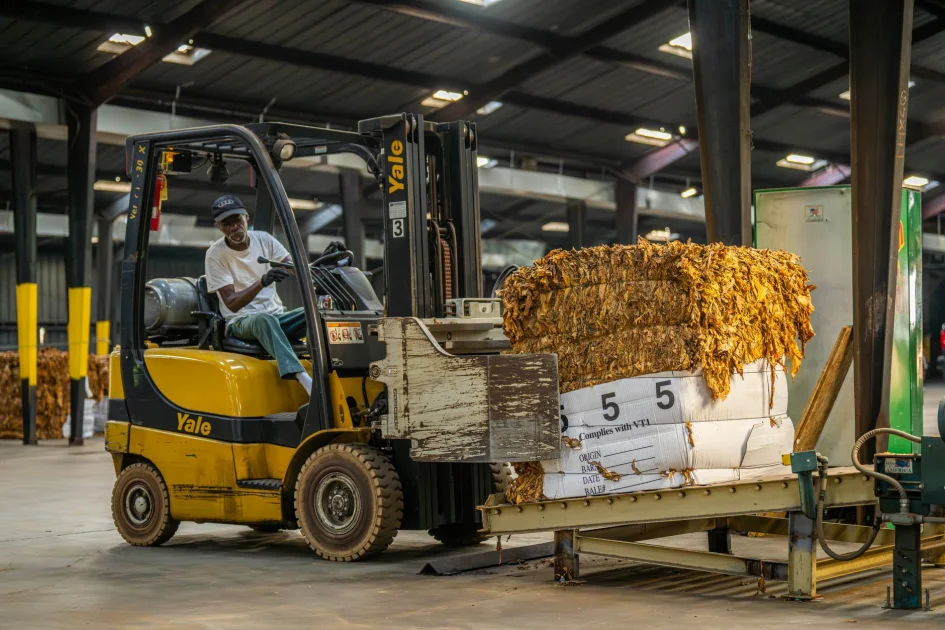
In addition to these types of safety equipment, there are also many other types of equipment that are used in warehouse operations, such as forklifts, cranes, and conveyors. These types of equipment require specialized safety equipment, such as forklift operator training and crane inspection. We will discuss these types of equipment in more detail later in this article.
The selection of industrial safety equipment depends on the specific needs of the warehouse or industrial facility. For example, a warehouse that handles hazardous materials may require safety equipment such as hazmat suits and respirators. On the other hand, a warehouse that handles heavy objects may require safety equipment such as crane inspection and forklift operator training.
Benefits of Industrial Safety Equipment
The benefits of using industrial safety equipment are numerous, and they include:
- Reducing the risk of accidents and injuries
- Preventing damage to equipment and property
- Improving productivity and efficiency
- Reducing the cost of workers' compensation claims and other expenses related to accidents
- Complying with regulations and standards
In addition to these benefits, industrial safety equipment also helps to improve the overall safety culture of the warehouse or industrial facility. When workers feel safe, they are more confident and focused, and they are better able to perform their jobs effectively. This, in turn, helps to improve productivity and efficiency, and it reduces the risk of accidents and injuries.
The use of industrial safety equipment also helps to reduce the cost of accidents and injuries. When accidents occur, they can result in significant costs, including medical expenses, lost productivity, and workers' compensation claims. By using safety equipment, warehouses and industrial facilities can reduce the risk of accidents and injuries, and they can minimize the costs associated with them.
Indian Market Specifics
The Indian market for industrial safety equipment is growing rapidly, driven by the increasing demand for safety equipment in various industries, including manufacturing, construction, and healthcare. The Indian government has implemented various regulations and standards to ensure that warehouses and other industrial facilities provide a safe working environment for their employees.
Some of the key regulations and standards that apply to industrial safety equipment in India include the Factories Act, 1948, and the Indian Standard (IS) 18001:2000. These regulations and standards require warehouses and other industrial facilities to provide safety equipment to their employees, and they specify the types of equipment that must be used.
In addition to these regulations and standards, the Indian government has also implemented various initiatives to promote the use of industrial safety equipment. For example, the government has established the National Safety Council (NSC) to promote safety awareness and to provide training and certification programs for safety professionals.
Comparison and Selection Criteria
When selecting industrial safety equipment, it is essential to consider several factors, including the type of equipment needed, the level of protection required, and the cost of the equipment. The following are some of the key factors to consider:
- Type of equipment: The type of equipment needed will depend on the specific hazards and risks in the warehouse or industrial facility.
- Level of protection: The level of protection required will depend on the severity of the hazards and risks in the warehouse or industrial facility.
- Cost: The cost of the equipment will depend on the type and quality of the equipment, as well as the supplier or manufacturer.
In addition to these factors, it is also essential to consider the safety standards and regulations that apply to the equipment. For example, helmets and gloves must meet certain safety standards, such as the Indian Standard (IS) 2925:1999 for helmets and the Indian Standard (IS) 4151:2014 for gloves.
Cost Analysis and ROI
The cost of industrial safety equipment can vary widely, depending on the type and quality of the equipment, as well as the supplier or manufacturer. However, the cost of safety equipment is often negligible compared to the cost of accidents and injuries.
For example, the cost of a helmet or a pair of gloves is relatively low, but the cost of a head or hand injury can be significant. In addition, the cost of safety equipment can be offset by the reduction in workers' compensation claims and other expenses related to accidents.
To calculate the return on investment (ROI) of industrial safety equipment, it is essential to consider the costs and benefits of the equipment. The following are some of the key factors to consider:
- Cost of equipment: The cost of the equipment will depend on the type and quality of the equipment, as well as the supplier or manufacturer.
- Cost of accidents and injuries: The cost of accidents and injuries will depend on the severity of the injuries and the cost of medical expenses, lost productivity, and workers' compensation claims.
- Benefits of safety equipment: The benefits of safety equipment will depend on the reduction in accidents and injuries, as well as the improvement in productivity and efficiency.
Implementation Guide
Implementing industrial safety equipment in a warehouse or industrial facility requires a step-by-step approach. The following are some of the key steps to consider:
- Conduct a hazard assessment: The first step is to conduct a hazard assessment to identify the potential hazards and risks in the warehouse or industrial facility.
- Develop a safety plan: The next step is to develop a safety plan that outlines the types of safety equipment needed, as well as the procedures for using and maintaining the equipment.
- Train employees: The third step is to train employees on the use and maintenance of the safety equipment.
In addition to these steps, it is also essential to monitor and evaluate the effectiveness of the safety equipment and the safety plan. This can be done by tracking the number of accidents and injuries, as well as the cost of workers' compensation claims and other expenses related to accidents.
Frequently Asked Questions
What safety equipment is commonly used in a warehouse?
Helmets, gloves, safety shoes, and eye protection are commonly used in a warehouse.
What are industrial safety equipment?
Industrial safety equipment refers to the equipment used to protect workers from hazards and risks in the warehouse or industrial facility.
What are the equipment used in a warehouse?
The equipment used in a warehouse include forklifts, cranes, and conveyors, as well as helmets, gloves, and safety shoes.
What are the 7 basic general industry safety rules?
The 7 basic general industry safety rules include:
- Wear personal protective equipment
- Use equipment properly
- Follow safety procedures
- Report hazards and incidents
- Participate in safety training
- Use warning signs and labels
- Maintain equipment and facilities