Introduction
Personal protective equipment, also known as protective gear, is a crucial aspect of workplace safety, providing a full range of safety measures to prevent injuries and illnesses. In India, personal protective equipment is a mandatory requirement in various industries, including manufacturing, construction, and healthcare. The importance of safety equipment cannot be overstated, as it helps to protect workers from hazards and ensures a safe working environment. At Shri Krishna Trading, we understand the significance of personal protective equipment and offer a wide range of safety gear to meet the diverse needs of our clients.
The use of personal protective equipment is not limited to specific industries; it is a general requirement in all workplaces where there is a risk of injury or illness. Employers have a responsibility to provide their employees with protective gear, and employees have a duty to wear and use the equipment correctly. In this article, we will provide a comprehensive guide to personal protective equipment, including its types, uses, and benefits.
The safety of workers is a top priority, and personal protective equipment plays a vital role in achieving this goal. By wearing protective gear, workers can prevent injuries and illnesses, which can have severe consequences, including death. Furthermore, personal protective equipment helps to reduce the risk of accidents, which can result in significant financial losses for employers.
Understanding Personal Protective Equipment
Personal protective equipment includes a wide range of safety gear, such as helmets, gloves, clothing, and masks. These items are designed to protect workers from specific hazards, such as head injuries, cuts, and respiratory problems. The type of personal protective equipment required depends on the nature of the work and the level of risk involved.
The use of personal protective equipment is governed by various regulations and standards, including those set by the Indian government. Employers must ensure that their employees use protective gear that meets these standards, and employees must be trained on how to use the equipment correctly. In addition to safety regulations, personal protective equipment must also meet quality standards, which ensure that the equipment is effective and durable.
A full range of safety measures is essential to prevent injuries and illnesses. This includes providing workers with personal protective equipment, as well as training them on how to use the equipment correctly. Employers must also conduct regular risk assessments to identify potential hazards and take steps to mitigate them. By taking a proactive approach to safety, employers can reduce the risk of accidents and ensure a safe working environment.
Types of Personal Protective Equipment
There are several types of personal protective equipment, each designed to protect workers from specific hazards. Some of the most common types of protective gear include:
- Helmets: designed to protect the head from injuries, such as head trauma and concussions.
- Gloves: designed to protect the hands from cuts, abrasions, and other injuries.
- Clothing: designed to protect the body from hazards, such as heat, cold, and chemicals.
- Masks: designed to protect the respiratory system from hazardous substances, such as dust and chemicals.
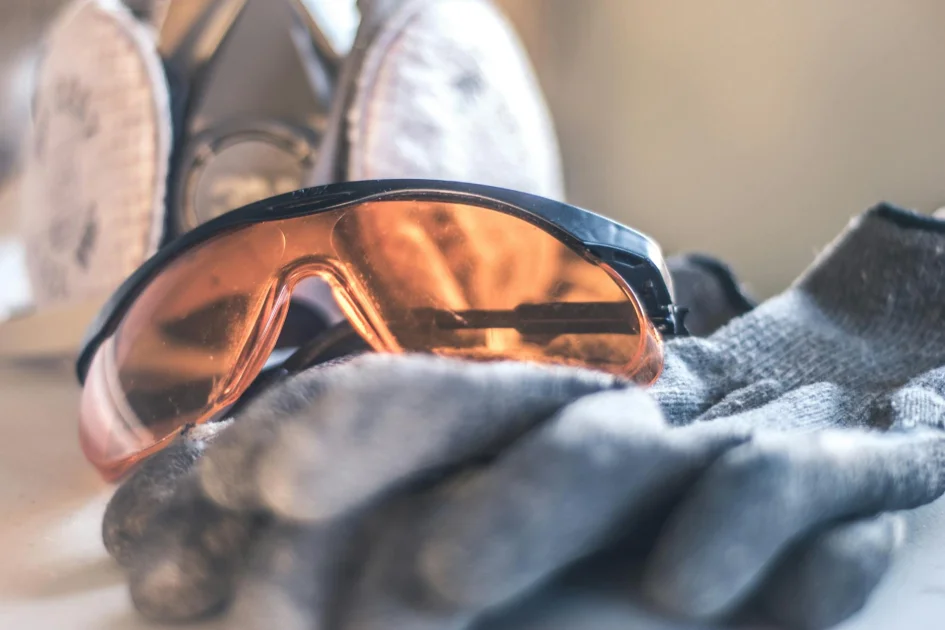
In addition to these types of personal protective equipment, there are many other items that can be used to protect workers, such as safety glasses, earplugs, and steel-toed boots. The specific type of protective gear required depends on the nature of the work and the level of risk involved.
The use of personal protective equipment is not limited to specific industries; it is a general requirement in all workplaces where there is a risk of injury or illness. Employers must ensure that their employees use protective gear that meets the required standards, and employees must be trained on how to use the equipment correctly. By taking a proactive approach to safety, employers can reduce the risk of accidents and ensure a safe working environment.
Benefits of Personal Protective Equipment
The use of personal protective equipment has numerous benefits, including:
- Reduced risk of injuries and illnesses: personal protective equipment can help to prevent injuries and illnesses, which can have severe consequences, including death.
- Improved productivity: by reducing the risk of accidents, personal protective equipment can help to improve productivity and reduce downtime.
- Cost savings: the use of personal protective equipment can help to reduce the cost of workers' compensation claims and other expenses related to accidents.
In addition to these benefits, personal protective equipment can also help to improve the overall safety culture of a workplace. By providing workers with protective gear, employers can demonstrate their commitment to safety and help to create a positive safety culture.
The use of personal protective equipment is a critical aspect of workplace safety, and employers must ensure that their employees use protective gear that meets the required standards. By taking a proactive approach to safety, employers can reduce the risk of accidents and ensure a safe working environment.
Indian Market and Regulations
In India, the use of personal protective equipment is governed by various regulations and standards, including those set by the Indian government. Employers must ensure that their employees use protective gear that meets these standards, and employees must be trained on how to use the equipment correctly.
The Indian government has established various regulations and standards for personal protective equipment, including the Personal Protective Equipment (PPE) Regulations, which require employers to provide their employees with protective gear that meets the required standards. In addition to these regulations, the Indian government has also established various standards for personal protective equipment, including the Indian Standard (IS) 15298, which specifies the requirements for personal protective equipment.
The use of personal protective equipment is not limited to specific industries; it is a general requirement in all workplaces where there is a risk of injury or illness. Employers must ensure that their employees use protective gear that meets the required standards, and employees must be trained on how to use the equipment correctly. By taking a proactive approach to safety, employers can reduce the risk of accidents and ensure a safe working environment.
Comparison and Selection of Personal Protective Equipment
When selecting personal protective equipment, employers must consider various factors, including the type of hazard, the level of risk, and the effectiveness of the equipment. Employers must also ensure that the protective gear meets the required standards and is suitable for the specific work environment.
The selection of personal protective equipment is a critical aspect of workplace safety, and employers must take a proactive approach to ensure that their employees use protective gear that meets the required standards. By considering various factors, including the type of hazard, the level of risk, and the effectiveness of the equipment, employers can select personal protective equipment that is suitable for their employees and helps to reduce the risk of accidents.
The use of personal protective equipment is not limited to specific industries; it is a general requirement in all workplaces where there is a risk of injury or illness. Employers must ensure that their employees use protective gear that meets the required standards, and employees must be trained on how to use the equipment correctly. By taking a proactive approach to safety, employers can reduce the risk of accidents and ensure a safe working environment.
Cost Analysis and Practical Tips
The cost of personal protective equipment can vary depending on the type and quality of the equipment. Employers must consider the cost of protective gear when selecting equipment for their employees. However, the cost of personal protective equipment should not be the only consideration; employers must also consider the effectiveness of the equipment and the level of risk involved.
In addition to the cost of personal protective equipment, employers must also consider the cost of training and maintenance. Employers must ensure that their employees are trained on how to use the equipment correctly and that the equipment is properly maintained to ensure its effectiveness.
The use of personal protective equipment is a critical aspect of workplace safety, and employers must take a proactive approach to ensure that their employees use protective gear that meets the required standards. By considering various factors, including the cost, effectiveness, and level of risk, employers can select personal protective equipment that is suitable for their employees and helps to reduce the risk of accidents.
Implementation Guide and Best Practices
The implementation of personal protective equipment is a critical aspect of workplace safety, and employers must take a proactive approach to ensure that their employees use protective gear that meets the required standards. Employers must develop a comprehensive safety plan that includes the use of personal protective equipment and provides training and guidance to employees on how to use the equipment correctly.
In addition to developing a comprehensive safety plan, employers must also ensure that their employees are trained on how to use the equipment correctly. Employers must provide regular training and guidance to employees on the use of personal protective equipment and ensure that the equipment is properly maintained to ensure its effectiveness.
The use of personal protective equipment is not limited to specific industries; it is a general requirement in all workplaces where there is a risk of injury or illness. Employers must ensure that their employees use protective gear that meets the required standards, and employees must be trained on how to use the equipment correctly. By taking a proactive approach to safety, employers can reduce the risk of accidents and ensure a safe working environment.
Frequently Asked Questions
What is full PPE gear?
Full PPE gear includes a range of protective equipment, such as helmets, gloves, clothing, and masks, that are designed to protect workers from specific hazards.
What are the 7 types of PPE?
The 7 types of PPE include head protection, eye protection, face protection, hand protection, body protection, foot protection, and respiratory protection.
What are the 10 personal protective equipment and their uses in PPE?
The 10 personal protective equipment and their uses in PPE include helmets for head protection, safety glasses for eye protection, face masks for face protection, gloves for hand protection, coveralls for body protection, steel-toed boots for foot protection, respirators for respiratory protection, earplugs for hearing protection, hard hats for head protection, and high-visibility vests for visibility protection.
What is personal protective equipment in safety?
Personal protective equipment in safety refers to the use of protective gear, such as helmets, gloves, clothing, and masks, to protect workers from specific hazards and prevent injuries and illnesses.