Introduction
Personal protective equipment (PPE) is a vital component in ensuring the safety and protection of individuals in various industries, including manufacturing, construction, and healthcare. The importance of personal protective equipment cannot be overstated, as it provides a barrier between the individual and potential hazards that can cause injury or illness. In this article, we will provide a comprehensive guide to personal protective equipment, including the different types of equipment available, their uses, and the benefits of using them. We will also discuss the Indian market specifics, regulations, and standards governing the use of PPE.
The use of personal protective equipment is not only a legal requirement but also a moral obligation to ensure the well-being of employees and workers. Employers have a responsibility to provide a safe working environment, and PPE is an essential part of this. In addition to helmets, gloves, and glasses, there are many other types of equipment that can be used to protect against specific hazards. For example, respiratory protection is essential in environments where airborne contaminants are present.
In this article, we will provide a step-by-step guide to selecting the right personal protective equipment for your workplace. We will also discuss the different types of equipment available, including helmets, gloves, glasses, and respiratory protection. Whether you are a procurement manager, factory supervisor, or warehouse manager, this article will provide you with the information you need to make informed decisions about personal protective equipment.
Understanding Personal Protective Equipment
Personal protective equipment is designed to protect the wearer from hazards such as physical, chemical, and biological agents. The type of equipment used will depend on the specific hazards present in the workplace. For example, helmets are used to protect the head from falling objects, while gloves are used to protect the hands from cuts and abrasions.
In addition to helmets and gloves, there are many other types of equipment that can be used to protect against specific hazards. For example, glasses are used to protect the eyes from chemical splashes and flying particles, while respiratory protection is used to protect the lungs from airborne contaminants. The use of personal protective equipment is not only a legal requirement but also a moral obligation to ensure the well-being of employees and workers.
The benefits of using personal protective equipment are numerous. Not only does it protect the wearer from hazards, but it also reduces the risk of injury and illness. This, in turn, can reduce the cost of workers' compensation claims and lost productivity. In addition, the use of personal protective equipment can also improve employee morale and reduce the risk of accidents.
Types of Personal Protective Equipment
There are many different types of personal protective equipment available, each designed to protect against specific hazards. Some of the most common types of equipment include:
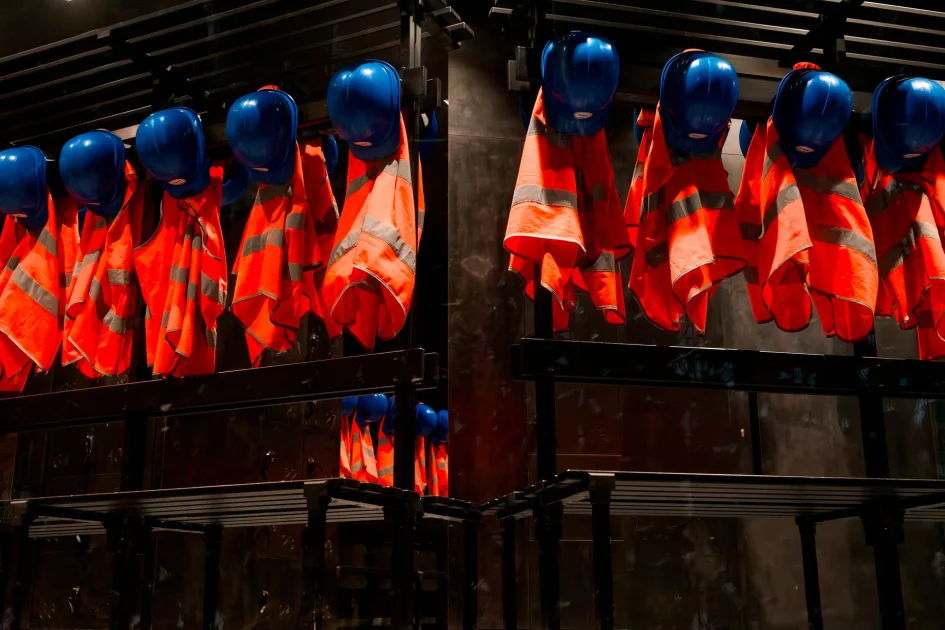
- Helmets: used to protect the head from falling objects
- Gloves: used to protect the hands from cuts and abrasions
- Glasses: used to protect the eyes from chemical splashes and flying particles
- Respiratory protection: used to protect the lungs from airborne contaminants
- Earplugs: used to protect the ears from loud noises
- Steel-toed boots: used to protect the feet from heavy objects
In addition to these types of equipment, there are many other types available, each designed to protect against specific hazards. For example, face shields are used to protect the face from chemical splashes and flying particles, while coveralls are used to protect the body from chemical splashes and spills.
The selection of personal protective equipment will depend on the specific hazards present in the workplace. Employers should conduct a hazard assessment to determine the types of hazards present and select equipment that is appropriate for those hazards. The use of personal protective equipment is not only a legal requirement but also a moral obligation to ensure the well-being of employees and workers.
Indian Market Specifics
The Indian market for personal protective equipment is growing rapidly, driven by increasing demand from industries such as manufacturing, construction, and healthcare. The use of personal protective equipment is not only a legal requirement but also a moral obligation to ensure the well-being of employees and workers.
In India, the use of personal protective equipment is governed by various regulations and standards. For example, the Factories Act requires employers to provide personal protective equipment to employees who are exposed to hazards in the workplace. The Occupational Safety and Health regulations also require employers to conduct hazard assessments and select equipment that is appropriate for those hazards.
In addition to these regulations, there are also various standards that govern the use of personal protective equipment in India. For example, the ISI standard for helmets requires that helmets meet certain safety standards. The ISO standard for personal protective equipment also requires that equipment meet certain safety standards.
The use of personal protective equipment in India is not only a legal requirement but also a moral obligation to ensure the well-being of employees and workers. Employers should conduct a hazard assessment to determine the types of hazards present and select equipment that is appropriate for those hazards.
Comparison and Selection Criteria
When selecting personal protective equipment, there are several factors to consider. The first factor is the type of hazard present in the workplace. Different types of equipment are designed to protect against different types of hazards. For example, helmets are used to protect the head from falling objects, while gloves are used to protect the hands from cuts and abrasions.
Another factor to consider is the quality of the equipment. Personal protective equipment should meet certain safety standards, such as those set by the ISI or ISO. The equipment should also be durable and long-lasting, to minimize the need for replacement.
In addition to these factors, the cost of the equipment should also be considered. The cost of personal protective equipment can vary widely, depending on the type and quality of the equipment. Employers should consider the cost of the equipment in relation to the benefits of using it, such as reduced workers' compensation claims and lost productivity.
The following is a comparison table of different types of personal protective equipment:
- Helmets: protect the head from falling objects, cost: Rs. 500-1000
- Gloves: protect the hands from cuts and abrasions, cost: Rs. 200-500
- Glasses: protect the eyes from chemical splashes and flying particles, cost: Rs. 500-1000
- Respiratory protection: protect the lungs from airborne contaminants, cost: Rs. 1000-2000
Cost Analysis and ROI
The cost of personal protective equipment can vary widely, depending on the type and quality of the equipment. However, the benefits of using personal protective equipment far outweigh the costs. The use of personal protective equipment can reduce the risk of injury and illness, which can reduce the cost of workers' compensation claims and lost productivity.
In addition to these benefits, the use of personal protective equipment can also improve employee morale and reduce the risk of accidents. The following is a breakdown of the costs and benefits of using personal protective equipment:
- Cost of helmets: Rs. 500-1000
- Cost of gloves: Rs. 200-500
- Cost of glasses: Rs. 500-1000
- Cost of respiratory protection: Rs. 1000-2000
- Benefits: reduced workers' compensation claims, lost productivity, and improved employee morale
The return on investment (ROI) of using personal protective equipment can be significant. The use of personal protective equipment can reduce the risk of injury and illness, which can reduce the cost of workers' compensation claims and lost productivity. In addition, the use of personal protective equipment can also improve employee morale and reduce the risk of accidents.
Implementation Guide
Implementing a personal protective equipment program in the workplace can be a complex process. However, with the right guidance and support, employers can ensure that their employees are protected from hazards in the workplace. The following is a step-by-step guide to implementing a personal protective equipment program:
- Conduct a hazard assessment to determine the types of hazards present in the workplace
- Select equipment that is appropriate for those hazards
- Provide training to employees on the use and maintenance of equipment
- Monitor and enforce the use of equipment in the workplace
The use of personal protective equipment is not only a legal requirement but also a moral obligation to ensure the well-being of employees and workers. Employers should conduct a hazard assessment to determine the types of hazards present and select equipment that is appropriate for those hazards.
Frequently Asked Questions
What is the full PPE gear required?
The full PPE gear required will depend on the specific hazards present in the workplace. However, some common types of equipment include helmets, gloves, glasses, and respiratory protection.
What are the 7 personal protective equipment?
The 7 personal protective equipment are: helmets, gloves, glasses, respiratory protection, earplugs, steel-toed boots, and face shields.
What is the full PPE list?
The full PPE list will depend on the specific hazards present in the workplace. However, some common types of equipment include helmets, gloves, glasses, respiratory protection, earplugs, steel-toed boots, and face shields.
What are the 10 personal protective equipments?
The 10 personal protective equipment are: helmets, gloves, glasses, respiratory protection, earplugs, steel-toed boots, face shields, coveralls, safety vests, and hard hats.