Introduction
Personal protective equipment (PPE) is a crucial aspect of workplace safety, providing protection against various hazards and risks. In India, industries such as manufacturing, construction, and healthcare require a wide range of safety equipment to ensure the well-being of their employees. At Shri Krishna Trading, we understand the importance of protective gear and offer a comprehensive range of personal protective equipment to meet the diverse needs of our clients.
The use of PPE is not only a moral obligation but also a legal requirement in many industries. The Indian government has implemented various regulations and standards to ensure that employers provide their employees with the necessary safety equipment to perform their jobs safely. In this article, we will delve into the world of personal protective equipment, exploring the different types of PPE, their uses, and the benefits of implementing a PPE program in your workplace.
As a procurement manager, factory supervisor, or warehouse manager, it is essential to understand the importance of PPE and how to select the right protective gear for your employees. With the vast array of safety equipment available in the market, it can be overwhelming to choose the correct PPE for your specific needs. In this article, we will provide a step-by-step guide on how to select the right PPE, including helmets, goggles, glasses, and face shields.
Understanding Personal Protective Equipment
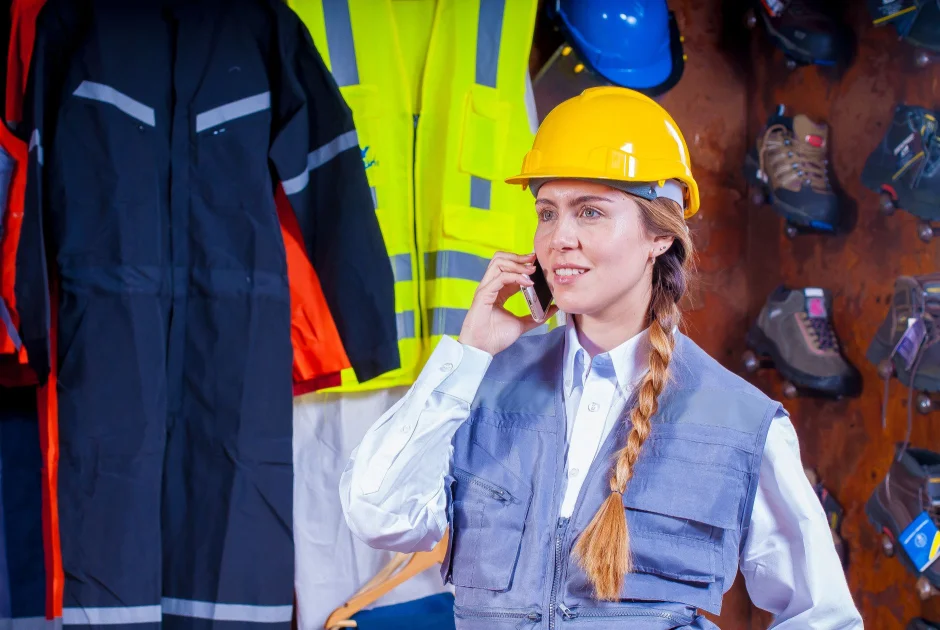
Personal protective equipment is designed to protect employees from workplace hazards, such as physical, chemical, and biological agents. PPE can be categorized into several types, including head protection, eye and face protection, hearing protection, and respiratory protection. Each type of PPE is designed to protect a specific part of the body from harm.
For example, helmets are used to protect the head from falling objects, while goggles and glasses are used to protect the eyes from chemical splashes or flying particles. Face shields are used to protect the face from chemical splashes or biological agents. It is essential to choose the right type of PPE for the specific hazard present in the workplace.
In addition to the type of PPE, it is also important to consider the material and construction of the protective gear. For example, helmets made from hard plastic or metal are more durable than those made from soft plastic. Similarly, goggles made from polycarbonate or Trivex are more impact-resistant than those made from glass or plastic.
Types of Personal Protective Equipment
There are several types of personal protective equipment available, including:
- Head protection: helmets, hard hats, bump caps
- Eye and face protection: goggles, glasses, face shields, face masks
- Hearing protection: earplugs, earmuffs
- Respiratory protection: respirators, dust masks
- Hand protection: gloves, wrist cuffs
- Foot protection: safety shoes, boots, toe guards
Each type of PPE is designed to protect a specific part of the body from harm. It is essential to choose the right type of PPE for the specific hazard present in the workplace. For example, if the workplace involves chemical handling, goggles and glasses may be necessary to protect the eyes from chemical splashes.
In addition to the type of PPE, it is also important to consider the level of protection required. For example, if the workplace involves high-impact activities, helmets with a high level of impact resistance may be necessary. Similarly, if the workplace involves chemical handling, goggles with a high level of chemical resistance may be necessary.
Indian Market Specifics and Regulations
In India, the use of personal protective equipment is regulated by various government agencies, including the Ministry of Labour and Employment and the Directorate General of Factory Advice Service and Labour Institutes (DGFASLI). These agencies have implemented various regulations and standards to ensure that employers provide their employees with the necessary safety equipment to perform their jobs safely.
For example, the Factories Act, 1948, requires employers to provide their employees with personal protective equipment to protect them from workplace hazards. The Act also requires employers to maintain a safe working environment and to provide their employees with regular training on the use of PPE.
In addition to the regulations, there are also various Indian standards for personal protective equipment, including IS 2925:1999 for helmets and IS 5983:1994 for goggles. These standards specify the requirements for the design, construction, and testing of PPE to ensure that they meet the necessary safety standards.
Comparison and Selection Criteria
When selecting personal protective equipment, it is essential to consider several factors, including the type of hazard present in the workplace, the level of protection required, and the comfort and durability of the PPE. It is also important to consider the cost of the PPE and the availability of replacement parts and maintenance services.
For example, when selecting helmets, it is essential to consider the level of impact resistance required, the type of material used, and the comfort and durability of the helmet. Similarly, when selecting goggles, it is essential to consider the level of chemical resistance required, the type of material used, and the comfort and durability of the goggles.
In addition to the technical specifications, it is also important to consider the brand reputation and customer support provided by the manufacturer. A reputable manufacturer with good customer support can provide assurance that the PPE will meet the necessary safety standards and will be available for replacement or maintenance when required.
Cost Analysis and ROI
The cost of personal protective equipment can vary widely, depending on the type and quality of the PPE. For example, helmets can range in price from a few hundred rupees to several thousand rupees, depending on the level of impact resistance and the type of material used.
Similarly, goggles can range in price from a few hundred rupees to several thousand rupees, depending on the level of chemical resistance and the type of material used. It is essential to consider the cost of the PPE and the potential return on investment (ROI) when selecting personal protective equipment.
For example, if the cost of a helmet is Rs. 1,000 and it can prevent a single head injury that would cost Rs. 10,000 to treat, the ROI on the helmet would be 10:1. Similarly, if the cost of a pair of goggles is Rs. 500 and it can prevent a single eye injury that would cost Rs. 5,000 to treat, the ROI on the goggles would be 10:1.
Implementation Guide and Best Practices
Implementing a personal protective equipment program in the workplace requires a thorough understanding of the hazards present and the types of PPE required to protect employees. It is essential to conduct a hazard assessment to identify the types of hazards present and the levels of protection required.
Once the hazard assessment is complete, it is essential to select the right types of PPE and to provide employees with regular training on the use and maintenance of the PPE. It is also essential to ensure that employees wear the PPE correctly and consistently, and to monitor the PPE for signs of wear and tear.
In addition to the technical aspects, it is also important to consider the cultural and social aspects of implementing a PPE program. For example, it is essential to communicate the importance of PPE to employees and to provide them with incentives to wear the PPE correctly and consistently.
Frequently Asked Questions
What is the full PPE gear required?
The full PPE gear required will depend on the specific hazards present in the workplace. However, a typical PPE kit may include helmets, goggles, glasses, face shields, gloves, and safety shoes.
What are the 7 personal protective equipment?
The 7 personal protective equipment are: head protection, eye and face protection, hearing protection, respiratory protection, hand protection, foot protection, and body protection.
What are the full personal protection equipment?
The full personal protection equipment include helmets, goggles, glasses, face shields, gloves, safety shoes, and body protection such as coveralls and aprons.
What is the full PPE list?
The full PPE list will depend on the specific hazards present in the workplace. However, a typical PPE list may include helmets, goggles, glasses, face shields, gloves, safety shoes, body protection, and respiratory protection.