Introduction to Personal Protective Equipment
Personal protective equipment, also known as protective gear, is a crucial aspect of workplace safety, providing individuals with the necessary protection against various hazards. In industries such as manufacturing, construction, and healthcare, personal protective equipment plays a vital role in preventing injuries and illnesses. The importance of safety equipment cannot be overstated, as it not only ensures the well-being of employees but also contributes to a company's overall productivity and efficiency. With a wide range of protective clothing and helmets available, selecting the right gear can be a daunting task. In this article, we will delve into the world of personal protective equipment, exploring its benefits, types, and applications.
The use of personal protective equipment is not limited to specific industries; it is a necessity in any workplace where employees are exposed to potential hazards. Respirators, for example, are essential in environments where air quality is compromised, while safety glasses provide protection against flying particles. By understanding the different types of protective equipment available, employers can ensure that their employees are adequately equipped to perform their duties safely.
In addition to the physical benefits of personal protective equipment, it also has a significant impact on a company's financial bottom line. By reducing the risk of workplace accidents, companies can minimize the costs associated with worker's compensation claims, medical expenses, and lost productivity. Furthermore, a safe working environment can boost employee morale, leading to increased job satisfaction and reduced turnover rates.
Understanding the Types of Personal Protective Equipment
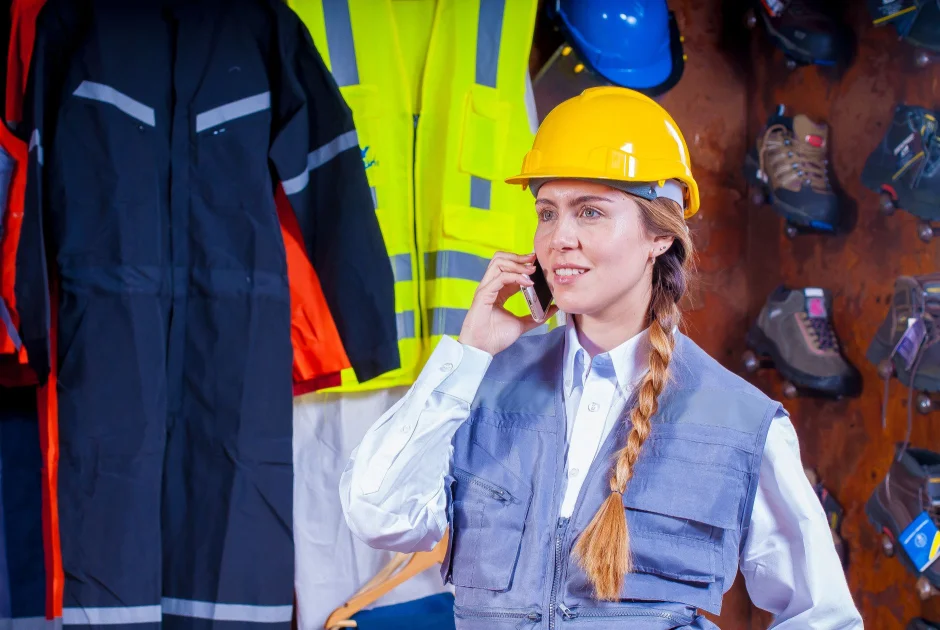
There are several types of personal protective equipment available, each designed to provide protection against specific hazards. Head protection, for example, includes helmets and hard hats, which protect against falling objects and electrical hazards. Eye and face protection includes safety glasses, goggles, and face shields, which provide protection against flying particles, chemicals, and other hazards.
Respiratory protection is another critical aspect of personal protective equipment, with respirators and dust masks available to protect against airborne hazards. Hearing protection includes earplugs and earmuffs, which protect against loud noises and sounds. Hand and arm protection includes gloves and sleeves, which provide protection against cuts, abrasions, and chemicals.
When selecting personal protective equipment, it is essential to consider the specific hazards present in the workplace. Employers should conduct a thorough risk assessment to determine the types of protective gear required. This may involve consulting with safety experts, reviewing industry standards, and evaluating employee feedback.
Benefits of Personal Protective Equipment
The benefits of personal protective equipment are numerous, with the most significant advantage being the prevention of workplace accidents and injuries. By providing employees with the necessary protective clothing and gear, companies can minimize the risk of injuries, reducing the associated costs and lost productivity.
Some of the key benefits of personal protective equipment include:
- Reduced risk of injury: By providing protection against specific hazards, personal protective equipment reduces the risk of workplace accidents and injuries.
- Improved employee morale: A safe working environment can boost employee morale, leading to increased job satisfaction and reduced turnover rates.
- Increased productivity: By minimizing the risk of workplace accidents, companies can reduce downtime and increase productivity.
- Cost savings: The use of personal protective equipment can result in significant cost savings, with reduced costs associated with worker's compensation claims, medical expenses, and lost productivity.
In addition to these benefits, personal protective equipment also plays a critical role in complying with industry regulations and standards. Employers who fail to provide adequate protective gear can face significant fines and penalties, highlighting the importance of prioritizing workplace safety.
Indian Market Specifics and Regulations
In India, the use of personal protective equipment is regulated by various laws and regulations, including the Factories Act, 1948, and the Occupational Safety, Health and Working Conditions Code, 2020. These regulations require employers to provide employees with the necessary protective clothing and gear to ensure a safe working environment.
The Indian market for personal protective equipment is rapidly growing, driven by increasing awareness of workplace safety and the need for compliance with regulatory requirements. Employers in India must ensure that they are providing employees with personal protective equipment that meets the required standards, with certification from reputable organizations such as the Indian Standards Institution (ISI) or the International Organization for Standardization (ISO).
Some of the key regulations governing the use of personal protective equipment in India include:
- Factories Act, 1948: Requires employers to provide employees with the necessary protective clothing and gear to ensure a safe working environment.
- Occupational Safety, Health and Working Conditions Code, 2020: Regulates the use of personal protective equipment in the workplace, with requirements for certification and compliance.
- Indian Standards Institution (ISI): Provides certification for personal protective equipment that meets the required standards.
Comparison and Selection of Personal Protective Equipment
When selecting personal protective equipment, employers must consider various factors, including the type of hazard, the level of protection required, and the comfort and usability of the gear. A comparison table can be useful in evaluating different types of protective equipment, with factors such as price, quality, and certification considered.
Some of the key factors to consider when selecting personal protective equipment include:
- Type of hazard: The type of hazard present in the workplace will determine the type of protective equipment required.
- Level of protection: The level of protection required will depend on the severity of the hazard and the employee's role.
- Comfort and usability: The gear should be comfortable and easy to use, with minimal restrictions on movement or vision.
- Price: The cost of the protective equipment should be considered, with a balance between quality and price.
A pricing breakdown can also be useful in evaluating the costs associated with different types of protective equipment. This may include the initial purchase price, maintenance costs, and replacement costs.
Cost Analysis and ROI of Personal Protective Equipment
The cost of personal protective equipment can vary significantly, depending on the type and quality of the gear. While the initial purchase price may seem high, the long-term benefits of personal protective equipment can result in significant cost savings.
A cost analysis can be useful in evaluating the costs and benefits of different types of protective equipment. This may include the costs associated with:
- Initial purchase price: The initial cost of purchasing the protective equipment.
- Maintenance costs: The costs associated with maintaining and repairing the gear.
- Replacement costs: The costs associated with replacing the protective equipment when it becomes worn or damaged.
- Worker's compensation claims: The costs associated with worker's compensation claims, including medical expenses and lost productivity.
By considering these factors, employers can make an informed decision about the type of personal protective equipment to purchase, with a focus on quality and value rather than just price.
Implementation Guide for Personal Protective Equipment
Implementing a personal protective equipment program requires careful planning and execution. Employers should start by conducting a thorough risk assessment to determine the types of protective equipment required.
A step-by-step guide can be useful in implementing a personal protective equipment program, with the following steps:
- Conduct a risk assessment: Identify the hazards present in the workplace and determine the types of protective equipment required.
- Select the appropriate equipment: Choose protective equipment that meets the required standards and provides the necessary level of protection.
- Train employees: Provide employees with training on the proper use and maintenance of the protective equipment.
- Monitor and evaluate: Regularly monitor and evaluate the effectiveness of the personal protective equipment program, making adjustments as necessary.
By following these steps, employers can ensure that their employees are adequately protected and that the personal protective equipment program is effective and efficient.
Frequently Asked Questions
What are the 7 types of PPE?
The 7 types of personal protective equipment include head protection, eye and face protection, respiratory protection, hearing protection, hand and arm protection, foot and leg protection, and body protection.
What is full PPE gear?
Full PPE gear refers to a complete set of personal protective equipment, including head protection, eye and face protection, respiratory protection, hearing protection, hand and arm protection, foot and leg protection, and body protection.
What are the 14 types of PPE?
The 14 types of personal protective equipment include helmets, hard hats, safety glasses, goggles, face shields, respirators, dust masks, earplugs, earmuffs, gloves, sleeves, steel-toed boots, coveralls, and aprons.
What are the 10 personal protective equipment and their uses in PPE?
The 10 personal protective equipment and their uses include helmets for head protection, safety glasses for eye protection, respirators for respiratory protection, earplugs for hearing protection, gloves for hand protection, steel-toed boots for foot protection, coveralls for body protection, aprons for body protection, face shields for face protection, and hard hats for head protection.