Introduction
When it comes to pharmaceutical packaging materials, the importance of selecting the right packaging cannot be overstated. In the pharmaceutical industry, the packaging of products is a critical aspect of the manufacturing process, as it plays a crucial role in maintaining the quality and integrity of the products. As a buyer, it is essential to have a comprehensive understanding of the different types of packaging materials available in the market. In this article, we will provide a step-by-step guide on how to buy pharmaceutical packaging materials in India.
The pharmaceutical industry in India is growing rapidly, and the demand for high-quality packaging materials is on the rise. With so many types of packaging materials available in the market, it can be challenging for buyers to make an informed decision. This article aims to provide a detailed guide on the different types of packaging materials available, their characteristics, and the factors to consider when making a purchase.
In India, the pharmaceutical industry is regulated by the Central Drugs Standard Control Organisation (CDSCO), which ensures that all pharmaceutical products, including packaging materials, meet the required standards. As a buyer, it is essential to ensure that the packaging materials you purchase comply with the relevant regulations and standards.
Types of Pharmaceutical Packaging Materials
There are several types of pharmaceutical packaging materials available in the market, each with its own unique characteristics and advantages. Some of the most common types of packaging materials include primary packaging, secondary packaging, and tertiary packaging. Primary packaging refers to the packaging that comes into direct contact with the product, such as ampoules, vials, and containers.
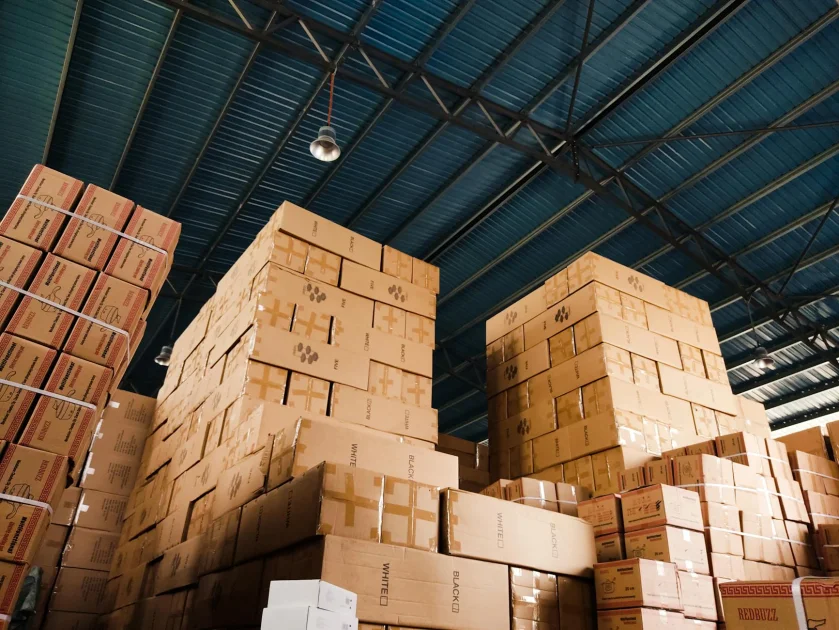
Secondary packaging refers to the packaging that provides additional protection and support to the primary packaging, such as cartons and boxes. Tertiary packaging refers to the packaging that provides further protection and support to the secondary packaging, such as pallets and shrink wrap.
When selecting pharmaceutical packaging materials, it is essential to consider the specific requirements of your product, including its size, shape, and weight. You should also consider the type of product, its fragility, and its sensitivity to light, temperature, and humidity.
Characteristics of Pharmaceutical Packaging Materials
When evaluating pharmaceutical packaging materials, there are several characteristics to consider, including their material composition, design, and construction. The material composition of the packaging material is critical, as it can affect the quality and integrity of the product.
The design of the packaging material is also important, as it can affect the ease of use, convenience, and safety of the product. The construction of the packaging material is also critical, as it can affect the strength, durability, and stability of the packaging.
Some of the key characteristics of pharmaceutical packaging materials include their barrier properties, sterilization compatibility, and chemical resistance. The barrier properties of the packaging material refer to its ability to prevent the ingress of moisture, oxygen, and other contaminants.
- Sterilization compatibility refers to the ability of the packaging material to withstand sterilization processes, such as gamma radiation and ethylene oxide.
- Chemical resistance refers to the ability of the packaging material to resist chemical attack, such as corrosion and degradation.
Packaging Materials for Pharmaceutical Products
There are several types of packaging materials available for pharmaceutical products, including glass, plastic, and paper. Glass is a popular choice for pharmaceutical packaging due to its inertness, sterilization compatibility, and chemical resistance.
Plastic is also a popular choice for pharmaceutical packaging due to its flexibility, lightweight, and cost-effectiveness. Paper is also used for pharmaceutical packaging, particularly for secondary and tertiary packaging.
- Glass packaging materials include ampoules, vials, and bottles.
- Plastic packaging materials include containers, tubs, and pouches.
- Paper packaging materials include cartons, boxes, and labels.
Indian Market and Regulations
The pharmaceutical industry in India is regulated by the Central Drugs Standard Control Organisation (CDSCO), which ensures that all pharmaceutical products, including packaging materials, meet the required standards. The CDSCO has established guidelines for the packaging of pharmaceutical products, including the use of primary, secondary, and tertiary packaging.
In India, the pharmaceutical industry is also subject to the Good Manufacturing Practices (GMP), which ensure that all pharmaceutical products, including packaging materials, are manufactured in a clean and controlled environment.
- The CDSCO has established guidelines for the packaging of pharmaceutical products, including the use of primary, secondary, and tertiary packaging.
- The GMP guidelines ensure that all pharmaceutical products, including packaging materials, are manufactured in a clean and controlled environment.
Buying Guide for Pharmaceutical Packaging Materials
When buying pharmaceutical packaging materials, there are several factors to consider, including the type of product, its size, shape, and weight. You should also consider the material composition, design, and construction of the packaging material.
It is essential to evaluate the barrier properties, sterilization compatibility, and chemical resistance of the packaging material. You should also consider the cost of the packaging material, including the purchase price and the total cost of ownership.
- Consider the type of product, its size, shape, and weight.
- Evaluate the material composition, design, and construction of the packaging material.
- Assess the barrier properties, sterilization compatibility, and chemical resistance of the packaging material.
Cost Analysis and Practical Tips
The cost of pharmaceutical packaging materials can vary depending on the type of material, its quality, and the quantity required. It is essential to evaluate the total cost of ownership, including the purchase price, storage, and disposal costs.
When buying pharmaceutical packaging materials, it is essential to consider the practicality of the packaging material, including its ease of use, convenience, and safety. You should also consider the environmental impact of the packaging material, including its biodegradability and recyclability.
- Evaluate the total cost of ownership, including the purchase price, storage, and disposal costs.
- Consider the practicality of the packaging material, including its ease of use, convenience, and safety.
- Assess the environmental impact of the packaging material, including its biodegradability and recyclability.
Implementation Guide and Best Practices
When implementing pharmaceutical packaging materials, it is essential to follow best practices, including the use of quality control measures, inspection, and testing. You should also consider the training and education of personnel involved in the packaging process.
It is essential to establish a quality management system that ensures the quality and integrity of the packaging materials. You should also consider the continuous monitoring and evaluation of the packaging materials to ensure their effectiveness and efficiency.
- Establish a quality management system that ensures the quality and integrity of the packaging materials.
- Implement quality control measures, including inspection and testing.
- Consider the training and education of personnel involved in the packaging process.
Frequently Asked Questions
What are the different types of pharmaceutical packaging materials?
There are several types of pharmaceutical packaging materials, including primary packaging, secondary packaging, and tertiary packaging.
What are the characteristics of pharmaceutical packaging materials?
The characteristics of pharmaceutical packaging materials include their material composition, design, and construction, as well as their barrier properties, sterilization compatibility, and chemical resistance.
How do I choose the right pharmaceutical packaging material?
When choosing a pharmaceutical packaging material, consider the type of product, its size, shape, and weight, as well as the material composition, design, and construction of the packaging material.
What are the regulatory requirements for pharmaceutical packaging materials in India?
In India, the pharmaceutical industry is regulated by the Central Drugs Standard Control Organisation (CDSCO), which ensures that all pharmaceutical products, including packaging materials, meet the required standards.
What are the best practices for implementing pharmaceutical packaging materials?
When implementing pharmaceutical packaging materials, follow best practices, including the use of quality control measures, inspection, and testing, as well as the establishment of a quality management system**.