Introduction
Implementing a personal protective equipment (PPE) program is crucial for ensuring the safety and well-being of employees in various industries, including manufacturing, construction, and healthcare. A PPE program is designed to protect workers from hazards and risks associated with their job tasks. In India, where occupational safety is a growing concern, a well-structured PPE program can help reduce workplace accidents and injuries. The focus of this article is to provide a comprehensive guide on how to implement a safety equipment PPE program in India.
The importance of a PPE program cannot be overstated. According to the International Labor Organization (ILO), workplace accidents and injuries result in significant economic losses and human suffering. A PPE program can help mitigate these risks by providing workers with the necessary protective equipment and training to perform their jobs safely. In this article, we will discuss the steps involved in designing and implementing a PPE program, including the identification of hazards, selection of personal protective equipment, and training of workers.
A PPE program is a critical component of a company's overall safety program. It involves the identification of hazards, assessment of risks, and implementation of controls to mitigate those risks. The program should be designed to protect workers from physical hazards, such as falls, cuts, and abrasions, as well as health hazards, such as exposure to chemicals and biological agents. In the following sections, we will discuss the key elements of a PPE program and provide a guide for implementing such a program in India.
Understanding the Basics of PPE
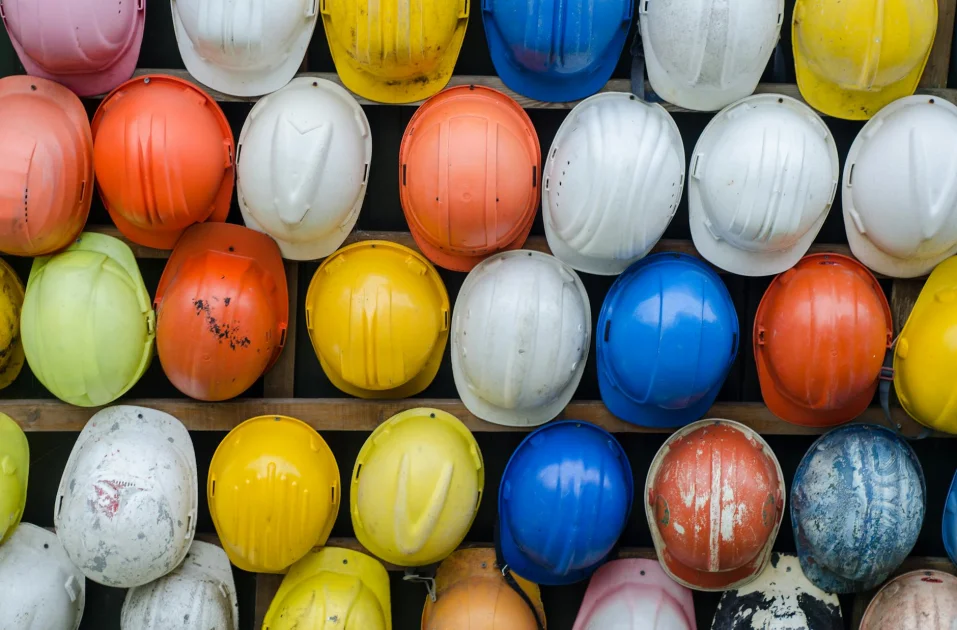
A PPE program is based on the principle of protecting workers from hazards and risks associated with their job tasks. The program involves the selection and use of personal protective equipment, such as hard hats, safety glasses, gloves, and respirators. The type of PPE used depends on the nature of the hazard and the level of risk involved. For example, workers in the construction industry may require hard hats and safety glasses to protect themselves from falling objects and debris.
The steps involved in selecting PPE include identifying the hazards associated with the job task, assessing the level of risk, and selecting the appropriate PPE. The PPE selected should be compatible with the work task and should not interfere with the worker's ability to perform the task safely. The PPE should also be properly maintained and inspected regularly to ensure its effectiveness.
In addition to selecting the right PPE, it is also important to provide workers with training on how to use the equipment properly. The training should include instruction on how to put on and take off the PPE, how to inspect the equipment, and how to maintain it. The training should also include information on the hazards and risks associated with the job task and how the PPE can help mitigate those risks.
Key Elements of a PPE Program
A PPE program should include several key elements, including
- hazard identification and risk assessment
- selection and use of PPE
- training of workers on PPE use and maintenance
- inspection and maintenance of PPE
- record keeping and documentation
These elements are critical to ensuring the effectiveness of the PPE program and protecting workers from hazards and risks.
The hazard identification and risk assessment process involves identifying the hazards associated with the job task and assessing the level of risk. This process should be conducted by a qualified safety professional who has the necessary expertise and experience. The hazard identification process should include a review of the work task, the work environment, and the equipment used.
The selection and use of PPE is a critical element of the PPE program. The PPE selected should be compatible with the work task and should not interfere with the worker's ability to perform the task safely. The PPE should also be properly maintained and inspected regularly to ensure its effectiveness. The training of workers on PPE use and maintenance is also critical to ensuring the effectiveness of the PPE program.
Implementing a PPE Program in India
Implementing a PPE program in India requires a thorough understanding of the hazards and risks associated with the job task, as well as the regulations and standards that apply. In India, the Occupational Safety, Health and Working Conditions Code, 2020 is the primary legislation that governs occupational safety and health. The Code requires employers to provide a safe working environment and to protect workers from hazards and risks.
The Indian Standards for PPE, such as IS 15298 for safety glasses and IS 3521 for hard hats, provide guidelines for the selection and use of PPE. Employers should ensure that the PPE used meets these standards and is properly maintained and inspected regularly. The Bureau of Indian Standards (BIS) is responsible for developing and implementing these standards.
In addition to complying with regulations and standards, employers should also ensure that workers are trained on the use and maintenance of PPE. The training should include instruction on how to put on and take off the PPE, how to inspect the equipment, and how to maintain it. The training should also include information on the hazards and risks associated with the job task and how the PPE can help mitigate those risks.
Comparison of PPE Options
When selecting PPE, employers should consider several factors, including the type of hazard, the level of risk, and the compatibility of the PPE with the work task. The following
- hard hats: provide protection from falling objects and debris
- safety glasses: provide protection from chemical splashes and flying particles
- gloves: provide protection from cuts, abrasions, and chemical exposure
- respirators: provide protection from airborne contaminants
are some of the common types of PPE used in various industries.
The selection criteria for PPE should include factors such as
- effectiveness in mitigating hazards and risks
- comfort and wearability
- durability and maintenance requirements
- cost and availability
Employers should also consider the standards and regulations that apply to the PPE, such as the Indian Standards for PPE.
In addition to selecting the right PPE, employers should also consider the cost and benefits of the PPE. The cost of PPE can vary widely, depending on the type and quality of the equipment. However, the benefits of PPE, including reduced workplace accidents and injuries, can far outweigh the cost.
Cost Analysis and ROI
The cost of implementing a PPE program can vary widely, depending on the size and complexity of the program. However, the benefits of a PPE program, including reduced workplace accidents and injuries, can far outweigh the cost. A cost-benefit analysis can help employers determine the return on investment (ROI) of a PPE program.
The ROI of a PPE program can be significant, with some studies showing that every dollar invested in PPE can return up to $3 in benefits. The benefits of a PPE program include
- reduced workplace accidents and injuries
- improved worker productivity and morale
- reduced workers' compensation claims
- improved regulatory compliance
Employers should consider these benefits when evaluating the cost and ROI of a PPE program.
In addition to the cost and ROI, employers should also consider the practical tips for implementing a PPE program. These tips include
- conducting regular hazard assessments
- providing worker training on PPE use and maintenance
- inspecting and maintaining PPE regularly
- encouraging worker participation in the PPE program
By following these tips, employers can ensure the effectiveness of their PPE program and protect workers from hazards and risks.
Implementation Guide
Implementing a PPE program requires a thorough understanding of the hazards and risks associated with the job task, as well as the regulations and standards that apply. The following
- identify the hazards and risks associated with the job task
- select the appropriate PPE based on the hazard and risk assessment
- provide worker training on PPE use and maintenance
- inspect and maintain PPE regularly
are some of the key steps involved in implementing a PPE program.
The implementation guide should include a timeline for implementing the PPE program, as well as a budget for purchasing and maintaining the PPE. The guide should also include information on how to conduct hazard assessments, how to select PPE, and how to provide worker training. By following this guide, employers can ensure the effectiveness of their PPE program and protect workers from hazards and risks.
Frequently Asked Questions
What is the first step in a PPE program?
The first step in a PPE program is to identify the hazards and risks associated with the job task. This involves conducting a hazard assessment to determine the types of hazards and risks that workers may be exposed to.
What are the 7 core elements of a safety program?
The 7 core elements of a safety program are
- hazard identification and risk assessment
- hazard control and prevention
- training and education
- inspection and maintenance
- record keeping and documentation
- emergency preparedness and response
- continuous improvement and evaluation
What are the 7 types of PPE?
The 7 types of PPE are
- hard hats
- safety glasses
- gloves
- respirators
- earplugs
- steel-toed boots
- high-visibility vests
What is a PPE program?
A PPE program is a systematic approach to protecting workers from hazards and risks associated with their job tasks. The program involves the selection and use of personal protective equipment, as well as training and education on the use and maintenance of the equipment.