Introduction
Safety equipment is essential for factories and warehouses in India to ensure the protection of employees, equipment, and infrastructure. The importance of safety equipment cannot be overstated, as it helps prevent accidents, reduces downtime, and promotes a safe working environment. In this guide, we will explore the various safety equipment solutions available for factories and warehouses, including pallet trucks, warehouse safety nets, and industrial first aid kits. We will also discuss the pricing breakdown of these solutions, as well as provide a comparison table to help procurement managers and factory supervisors make informed decisions.
The Indian industrial sector is rapidly growing, with many factories and warehouses being set up across the country. However, this growth also brings with it the risk of accidents and injuries, which can be mitigated with the use of safety equipment. In this article, we will provide a comprehensive overview of the safety equipment solutions available for factories and warehouses in India, including warehouse safety equipment, factory safety equipment, and industrial safety equipment.
The use of safety equipment is not only a legal requirement, but also a moral obligation for factory and warehouse owners. By providing a safe working environment, employers can reduce the risk of accidents and injuries, and promote a positive work culture. In this article, we will explore the various safety equipment solutions available, including pallet trucks, warehouse safety nets, and industrial first aid kits.
Safety Equipment for Warehouses
Warehouses are hazardous places, with many potential risks and hazards. To mitigate these risks, it is essential to use safety equipment such as warehouse safety nets, pallet trucks, and industrial first aid kits. These solutions can help prevent accidents and injuries, and promote a safe working environment.
Some of the safety equipment solutions available for warehouses include:
- Warehouse safety nets: These are designed to prevent falls from height and can be installed in warehouses with high shelving or mezzanine floors.
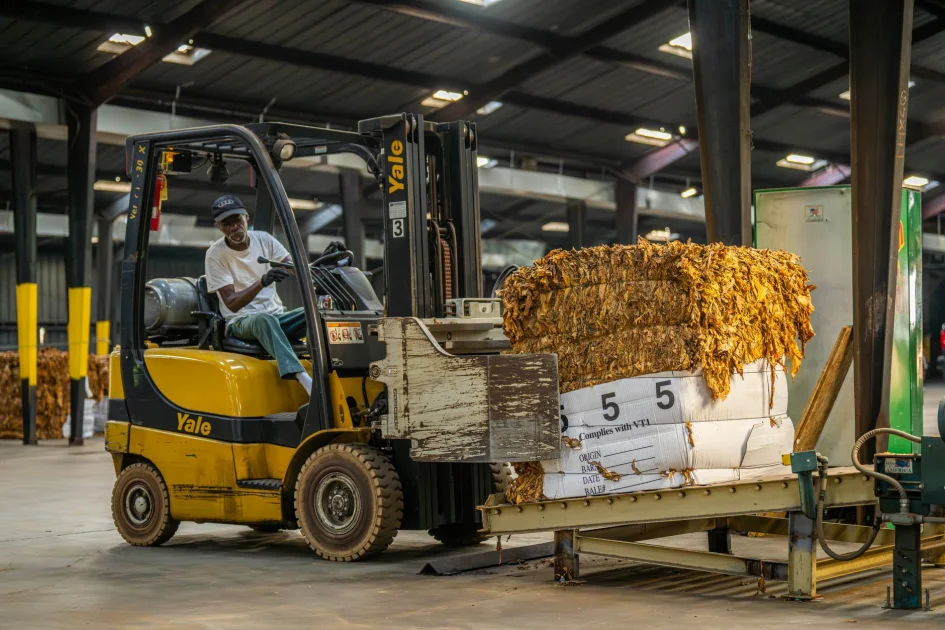
- Pallet trucks: These are used to transport heavy loads and can help prevent accidents and injuries caused by manual handling.
- Industrial first aid kits: These are essential for any warehouse or factory, and should include basic first aid supplies such as bandages, antiseptic wipes, and painkillers.
In addition to these solutions, warehouses should also have a safety policy in place, which outlines the procedures for reporting accidents and injuries, and provides guidance on safety equipment use and maintenance.
Safety Equipment for Factories
Factories are also hazardous places, with many potential risks and hazards. To mitigate these risks, it is essential to use safety equipment such as factory safety nets, industrial first aid kits, and safety signs. These solutions can help prevent accidents and injuries, and promote a safe working environment.
Some of the safety equipment solutions available for factories include:
- Factory safety nets: These are designed to prevent falls from height and can be installed in factories with high shelving or mezzanine floors.
- Industrial first aid kits: These are essential for any factory or warehouse, and should include basic first aid supplies such as bandages, antiseptic wipes, and painkillers.
- Safety signs: These are used to warn employees of potential hazards and can help prevent accidents and injuries.
In addition to these solutions, factories should also have a safety policy in place, which outlines the procedures for reporting accidents and injuries, and provides guidance on safety equipment use and maintenance.
Types of Safety Equipment
There are many types of safety equipment available for factories and warehouses, including:
- Personal protective equipment (PPE): This includes items such as hard hats, safety glasses, and gloves, which are designed to protect employees from hazards.
- Industrial safety equipment: This includes items such as warehouse safety nets, pallet trucks, and industrial first aid kits.
- Factory safety equipment: This includes items such as factory safety nets, safety signs, and industrial first aid kits.
Safety equipment can be categorized into several types, including:
- Physical safety equipment: This includes items such as warehouse safety nets and factory safety nets.
- Personal safety equipment: This includes items such as hard hats, safety glasses, and gloves.
- Industrial safety equipment: This includes items such as pallet trucks and industrial first aid kits.
Indian Market Specifics
The Indian industrial sector is rapidly growing, with many factories and warehouses being set up across the country. To ensure the safety of employees, it is essential to use safety equipment that meets Indian standards and regulations.
Some of the key regulations and standards that apply to safety equipment in India include:
- The Factories Act, 1948: This act requires factories to provide a safe working environment for employees.
- The Industrial Safety Act, 1984: This act requires industrial establishments to provide safety equipment and training to employees.
- The Indian Standards Institution (ISI) standards: These standards specify the requirements for safety equipment such as hard hats, safety glasses, and gloves.
In addition to these regulations and standards, factories and warehouses in India should also follow best practices for safety equipment use and maintenance, such as regular inspections and training for employees.
Comparison and Selection Criteria
When selecting safety equipment for factories and warehouses, it is essential to consider several factors, including:
- Quality: The safety equipment should meet Indian standards and regulations.
- Price: The safety equipment should be affordable and offer value for money.
- Brand reputation: The manufacturer should have a good reputation for producing high-quality safety equipment.
Some of the key selection criteria for safety equipment include:
- Effectiveness: The safety equipment should be effective in preventing accidents and injuries.
- Ease of use: The safety equipment should be easy to use and maintain.
- Compatibility: The safety equipment should be compatible with other equipment and systems in the factory or warehouse.
Cost Analysis and ROI
The cost of safety equipment can vary depending on the type and quality of the equipment. However, the cost of safety equipment is often outweighed by the benefits, including:
- Reduced risk of accidents and injuries: Safety equipment can help prevent accidents and injuries, which can reduce the cost of workers' compensation and medical expenses.
- Improved productivity: Safety equipment can help improve productivity by reducing the risk of accidents and injuries, and promoting a safe working environment.
- Enhanced reputation: Safety equipment can help enhance the reputation of a factory or warehouse by demonstrating a commitment to safety and employee well-being.
To calculate the ROI of safety equipment, factories and warehouses can use the following formula:
- ROI = (Benefits - Costs) / Costs
For example, if a factory invests in safety equipment that costs Rs. 10,000, and the benefits of the equipment include a reduction in workers' compensation costs of Rs. 20,000, the ROI would be:
- ROI = (20,000 - 10,000) / 10,000 = 100%
Implementation Guide
Implementing safety equipment in a factory or warehouse requires a systematic approach, including:
- Conducting a risk assessment: This involves identifying potential hazards and risks in the factory or warehouse, and determining the most effective safety equipment to mitigate these risks.
- Developing a safety policy: This involves creating a safety policy that outlines the procedures for reporting accidents and injuries, and provides guidance on safety equipment use and maintenance.
- Providing training: This involves providing training to employees on the use and maintenance of safety equipment, as well as on safety procedures and protocols.
In addition to these steps, factories and warehouses should also regularly review and update their safety policies and procedures to ensure that they remain effective and compliant with regulations and standards.
Frequently Asked Questions
What are the safe equipment in a warehouse?
Safe equipment in a warehouse includes warehouse safety nets, pallet trucks, and industrial first aid kits.
What are the safety equipment in a factory?
Safety equipment in a factory includes factory safety nets, safety signs, and industrial first aid kits.
What are the 7 types of safety?
The 7 types of safety include physical safety, personal safety, industrial safety, environmental safety, health safety, security safety, and emergency safety.
What are the safety measures for industrial warehouse?
Safety measures for industrial warehouse include warehouse safety nets, pallet trucks, industrial first aid kits, and regular safety inspections and training for employees.