Introduction
Selecting the right cleaning chemicals for industrial housekeeping is crucial for maintaining a clean and safe environment in factories, warehouses, hospitals, and pharma companies. The importance of cleaning and disinfecting cannot be overstated, as it helps to prevent the spread of diseases and ensures the quality of products. In this article, we will discuss the benefits of choosing the right cleaners and products for industrial housekeeping, and provide a comprehensive guide on how to select the best cleaning chemicals for your specific needs.
The housekeeping process involves a range of activities, including cleaning, disinfecting, and sanitizing surfaces, equipment, and facilities. The use of right cleaning chemicals is essential to ensure that these activities are carried out effectively and safely. With so many cleaning products available in the market, it can be challenging to choose the right one for your specific needs.
In this article, we will provide a detailed guide on how to select the right cleaning chemicals for industrial housekeeping, including the benefits of using the right cleaners and products, the different types of cleaning chemicals available, and the factors to consider when choosing the right cleaning products. We will also discuss the importance of pricing breakdown and provide a comparison table to help you make an informed decision.
Understanding Cleaning Chemicals
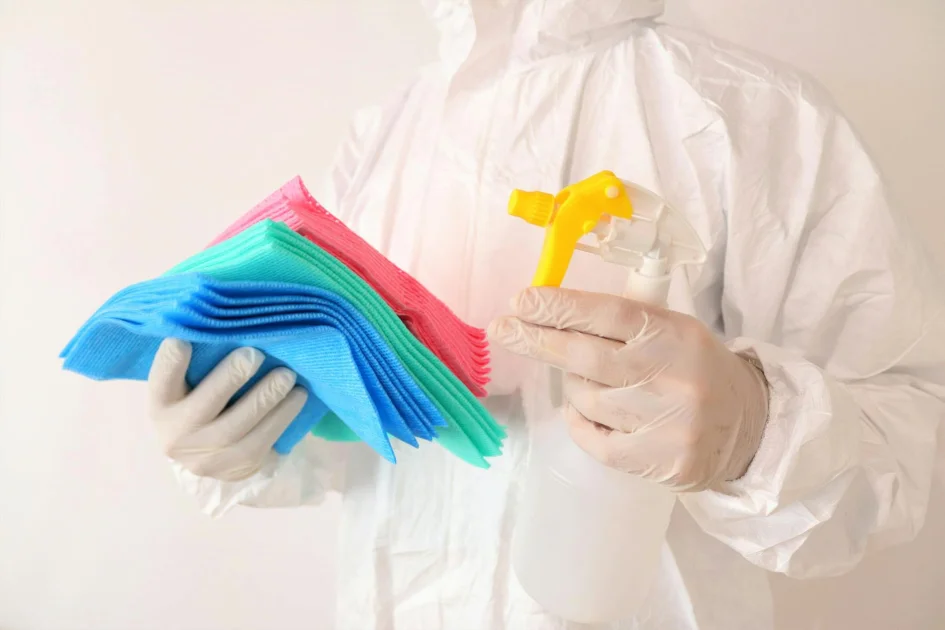
Cleaning chemicals are an essential part of industrial housekeeping, and they come in a range of forms, including liquids, powders, and sprays. The right cleaning chemicals can help to remove dirt, grime, and other substances from surfaces, equipment, and facilities, and can also help to prevent the spread of diseases.
The different types of cleaning chemicals include all-purpose cleaners, glass cleaners, disinfectants, and sanitizers. Each type of cleaning chemical has its own specific uses and benefits, and it is essential to choose the right one for your specific needs. For example, all-purpose cleaners are suitable for cleaning surfaces and equipment, while disinfectants are used to kill bacteria and other microorganisms.
Cleaning chemicals can be classified into different categories based on their composition and uses. Some common categories include acids, alkalis, and solvents. Acids are used to clean surfaces and equipment, while alkalis are used to neutralize acidic substances. Solvents are used to dissolve and remove grease and other substances.
Types of Cleaning Chemicals
There are several types of cleaning chemicals available, each with its own specific uses and benefits. Some common types of cleaning chemicals include:
- All-purpose cleaners: suitable for cleaning surfaces and equipment
- Glass cleaners: used to clean glass surfaces and mirrors
- Disinfectants: used to kill bacteria and other microorganisms
- Sanitizers: used to reduce the growth of microorganisms
- Degreasers: used to remove grease and other substances
- Polishes: used to polish and protect surfaces
In addition to these types of cleaning chemicals, there are also specialized cleaners available for specific industries and applications. For example, cleaning chemicals for the food industry must be safe for use on food contact surfaces, while cleaning chemicals for the healthcare industry must be effective against a range of microorganisms.
The 9 main types of cleaning chemicals include all-purpose cleaners, glass cleaners, disinfectants, sanitizers, degreasers, polishes, acids, alkalis, and solvents. Each type of cleaning chemical has its own specific uses and benefits, and it is essential to choose the right one for your specific needs.
Indian Market Specifics
The Indian market for cleaning chemicals is highly competitive, with a range of manufacturers and suppliers offering a variety of products. The Indian government has implemented several regulations and standards to ensure the safe use of cleaning chemicals, including the Environmental Protection Act and the Industrial Safety Act.
In India, the top 5 industrial chemicals include sodium hydroxide, caustic soda, hydrochloric acid, sulfuric acid, and ammonia. These chemicals are widely used in a range of industries, including manufacturing, construction, and healthcare.
The chemicals used for industrial cleaning in India include detergents, disinfectants, sanitizers, and degreasers. These chemicals are used to clean surfaces, equipment, and facilities, and to prevent the spread of diseases.
Comparison and Selection
When choosing the right cleaning chemicals for your specific needs, it is essential to consider a range of factors, including the type of surface or equipment to be cleaned, the level of cleaning required, and the potential risks to health and safety. You should also consider the pricing breakdown of different cleaning products and compare their features and benefits.
The following comparison table provides a summary of the different types of cleaning chemicals available:
- All-purpose cleaners: suitable for general cleaning, but may not be effective against tough stains or microorganisms
- Disinfectants: effective against a range of microorganisms, but may require special handling and storage
- Sanitizers: reduce the growth of microorganisms, but may not be effective against all types of microorganisms
- Degreasers: effective against grease and other substances, but may require special handling and storage
In addition to considering the type of cleaning chemical and its potential risks, you should also consider the product features and benefits of different cleaning products. For example, some cleaning products may be environmentally friendly, while others may be cost-effective.
Cost Analysis and ROI
The cost of cleaning chemicals can vary widely, depending on the type and quantity of the chemical, as well as the supplier and manufacturer. It is essential to consider the pricing breakdown of different cleaning products and to compare their features and benefits.
In addition to the initial cost of the cleaning chemical, you should also consider the potential return on investment (ROI) of using the right cleaning products. For example, using effective cleaning chemicals can help to reduce the risk of diseases and injuries, and can also help to improve productivity and efficiency.
The following are some practical tips for reducing the cost of cleaning chemicals and improving the ROI:
- Buy in bulk: purchasing large quantities of cleaning chemicals can help to reduce the cost per unit
- Use concentrated products: concentrated cleaning products can be more cost-effective than ready-to-use products
- Implement a cleaning schedule: regular cleaning can help to prevent the buildup of dirt and grime, and can reduce the need for specialized cleaning products
Implementation Guide
Implementing a cleaning schedule can help to ensure that your facility is cleaned regularly and effectively. The following are some steps to follow when implementing a cleaning schedule:
First, identify the areas of the facility that require cleaning, and determine the frequency of cleaning required. Next, select the right cleaning chemicals and equipment for the job, and ensure that all staff members are trained in their use.
Finally, monitor the effectiveness of the cleaning schedule and make any necessary adjustments. This may involve changing the frequency or type of cleaning, or providing additional training to staff members.
The R1, R2, R3, R4, R5 in housekeeping refer to the different levels of cleaning required, from light cleaning (R1) to heavy cleaning (R5). Understanding these levels can help to ensure that the right cleaning chemicals and equipment are used for the job.
Frequently Asked Questions
What is R1, R2, R3, R4, R5 in housekeeping?
The R1, R2, R3, R4, R5 in housekeeping refer to the different levels of cleaning required, from light cleaning (R1) to heavy cleaning (R5).
What are the top 5 industrial chemicals?
The top 5 industrial chemicals include sodium hydroxide, caustic soda, hydrochloric acid, sulfuric acid, and ammonia.
What are the chemicals used for industrial cleaning?
The chemicals used for industrial cleaning include detergents, disinfectants, sanitizers, and degreasers.
What are the 9 main types of cleaning chemicals?
The 9 main types of cleaning chemicals include all-purpose cleaners, glass cleaners, disinfectants, sanitizers, degreasers, polishes, acids, alkalis, and solvents.