Introduction
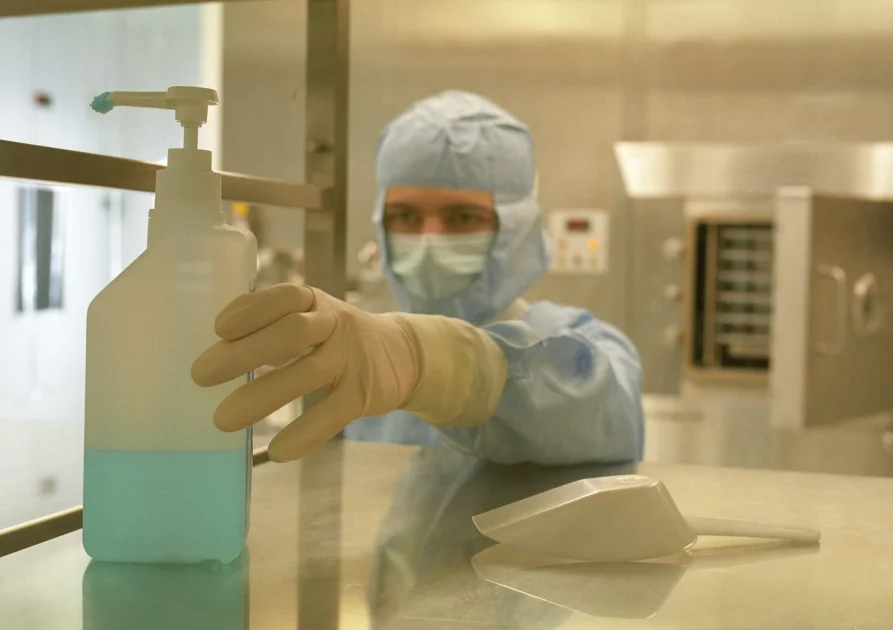
A cleanroom is a controlled environment that is crucial for various industries, including pharmaceuticals, healthcare, and manufacturing, where the cost of setting up and maintaining such a space can be a significant factor. The importance of a cleanroom cannot be overstated, as it provides a space that is free from contaminants and pollutants, allowing for the safe and efficient production of sensitive products. In this article, we will provide a comprehensive guide on how to set up a compliant cleanroom on a budget, highlighting the key considerations and standards that must be met. We will also discuss the various options available, including prefabricated cleanrooms, and provide a step-by-step guide on how to design and build a cleanroom that meets the required industry standards.
The process of setting up a cleanroom can be complex and time-consuming, requiring careful planning and attention to detail. It is essential to consider the specific needs of your industry and the types of products that will be produced in the cleanroom, as this will impact the design and layout of the space. Additionally, it is crucial to ensure that the cleanroom meets the relevant standards and regulations, such as those set by the ISO or the WHO.
One of the primary concerns for many organizations is the cost of setting up and maintaining a cleanroom. However, with careful planning and the right guidance, it is possible to set up a compliant cleanroom on a budget. This can involve considering the use of prefabricated cleanrooms, which can be a cost-effective option, or exploring alternative design and layout options that can help to reduce costs.
Understanding Cleanroom Requirements
Before setting up a cleanroom, it is essential to understand the specific requirements of your industry and the types of products that will be produced in the cleanroom. This includes considering the level of cleanliness required, as well as the types of equipment and supplies that will be needed. It is also crucial to ensure that the cleanroom meets the relevant standards and regulations, such as those set by the ISO or the WHO.
The design and layout of the cleanroom will also play a critical role in ensuring compliance with industry standards. This includes considering the use of HEPA filters, laminar airflow, and other technologies that can help to maintain a clean and controlled environment. Additionally, it is essential to ensure that the cleanroom is properly ventilated and that the temperature and humidity levels are carefully controlled.
Some of the key considerations when setting up a cleanroom include:
- Cleanliness levels: The level of cleanliness required will depend on the specific industry and the types of products being produced.
- Equipment and supplies: The types of equipment and supplies needed will depend on the specific requirements of the cleanroom.
- Standards and regulations: The cleanroom must meet the relevant standards and regulations, such as those set by the ISO or the WHO.
Designing and Building a Cleanroom
The design and layout of the cleanroom will play a critical role in ensuring compliance with industry standards. This includes considering the use of prefabricated cleanrooms, which can be a cost-effective option, or exploring alternative design and layout options that can help to reduce costs. It is also essential to ensure that the cleanroom is properly ventilated and that the temperature and humidity levels are carefully controlled.
Some of the key considerations when designing and building a cleanroom include:
- Modular design: A modular design can help to reduce costs and make it easier to modify the cleanroom as needed.
- Flexible layout: A flexible layout can help to accommodate different types of equipment and supplies.
- Efficient use of space: The cleanroom should be designed to make efficient use of space, minimizing waste and reducing costs.
The use of prefabricated cleanrooms can be a cost-effective option, as they can be easily assembled and modified as needed. Additionally, prefabricated cleanrooms can help to reduce costs associated with construction and installation. However, it is essential to ensure that the prefabricated cleanroom meets the relevant standards and regulations, such as those set by the ISO or the WHO.
Indian Market Specifics and Regulations
In India, the cleanroom industry is subject to a range of regulations and standards, including those set by the ISO and the WHO. It is essential to ensure that the cleanroom meets these regulations, as failure to comply can result in significant penalties and fines. Additionally, the Indian government has implemented a range of initiatives aimed at promoting the use of cleanrooms in various industries, including pharmaceuticals and healthcare.
Some of the key regulations and standards that apply to cleanrooms in India include:
- ISO 14644: This standard sets out the requirements for cleanrooms and controlled environments.
- WHO guidelines: The WHO has established a range of guidelines for the use of cleanrooms in pharmaceutical and healthcare settings.
- Indian Pharmacopoeia: The Indian Pharmacopoeia sets out the standards for pharmaceutical products, including those related to cleanrooms.
It is essential to ensure that the cleanroom meets these regulations and standards, as failure to comply can have significant consequences. Additionally, the use of cleanrooms can help to promote quality and safety in various industries, including pharmaceuticals and healthcare.
Comparison and Selection Criteria
When selecting a cleanroom, it is essential to consider a range of factors, including cost, quality, and compliance with relevant standards and regulations. The use of prefabricated cleanrooms can be a cost-effective option, but it is essential to ensure that they meet the relevant standards and regulations.
Some of the key considerations when comparing and selecting a cleanroom include:
- Cost: The cost of the cleanroom, including the cost of installation and maintenance.
- Quality: The quality of the cleanroom, including the level of cleanliness and the types of equipment and supplies used.
- Compliance: The cleanroom must meet the relevant standards and regulations, such as those set by the ISO or the WHO.
The selection of a cleanroom will depend on a range of factors, including the specific needs of the industry and the types of products being produced. It is essential to carefully evaluate the options and select a cleanroom that meets the relevant standards and regulations.
Cost Analysis and Practical Tips
The cost of setting up and maintaining a cleanroom can be significant, but there are a range of practical tips and strategies that can help to reduce costs. The use of prefabricated cleanrooms can be a cost-effective option, as they can be easily assembled and modified as needed.
Some of the key considerations when analyzing the cost of a cleanroom include:
- Initial investment: The initial investment required to set up the cleanroom, including the cost of equipment and supplies.
- Ongoing costs: The ongoing costs associated with maintaining the cleanroom, including the cost of energy and water.
- Return on investment: The potential return on investment, including the benefits of increased quality and safety.
The use of cleanrooms can have a significant impact on the quality and safety of products, and can help to promote compliance with relevant standards and regulations. By carefully evaluating the options and selecting a cleanroom that meets the relevant standards and regulations, organizations can help to reduce costs and promote quality and safety.
Implementation Guide and Best Practices
The implementation of a cleanroom requires careful planning and attention to detail, as well as a range of practical strategies and tips. The use of prefabricated cleanrooms can be a cost-effective option, but it is essential to ensure that they meet the relevant standards and regulations.
Some of the key considerations when implementing a cleanroom include:
- Training: The provision of training for staff on the use and maintenance of the cleanroom.
- Validation: The validation of the cleanroom to ensure that it meets the relevant standards and regulations.
- Maintenance: The ongoing maintenance of the cleanroom, including the replacement of filters and equipment.
The implementation of a cleanroom can have a significant impact on the quality and safety of products, and can help to promote compliance with relevant standards and regulations. By carefully evaluating the options and selecting a cleanroom that meets the relevant standards and regulations, organizations can help to reduce costs and promote quality and safety.
Frequently Asked Questions
How much does it cost to set up a cleanroom?
The cost of setting up a cleanroom can vary widely, depending on the specific needs of the industry and the types of products being produced. However, with careful planning and the right guidance, it is possible to set up a compliant cleanroom on a budget.
How to set up a clean room?
Setting up a cleanroom requires careful planning and attention to detail, as well as a range of practical strategies and tips. This includes considering the use of prefabricated cleanrooms, which can be a cost-effective option, or exploring alternative design and layout options that can help to reduce costs.
How to qualify a cleanroom?
Qualifying a cleanroom involves a range of tests and validation procedures, including the use of particle counters and microbiological tests. It is essential to ensure that the cleanroom meets the relevant standards and regulations, such as those set by the ISO or the WHO.
What is not allowed in a cleanroom?
There are a range of items that are not allowed in a cleanroom, including food and drink, as well as cosmetics and perfumes. It is essential to ensure that the cleanroom is properly ventilated and that the temperature and humidity levels are carefully controlled.