Introduction
Efficient cleanroom operations are crucial for preventing contamination and ensuring the quality of products in various industries, including pharmaceuticals, biotechnology, and electronics. In a cleanroom, the control of garments and other materials is essential to prevent contamination. The focus of this article is on cleanroom garment systems and how they can be streamlined to improve safety and management of cleanroom operations. The importance of cleanroom garments cannot be overstated, as they play a critical role in preventing contamination and ensuring the quality of products. In this article, we will discuss the importance of cleanroom garments and how they can be used to streamline cleanroom operations.
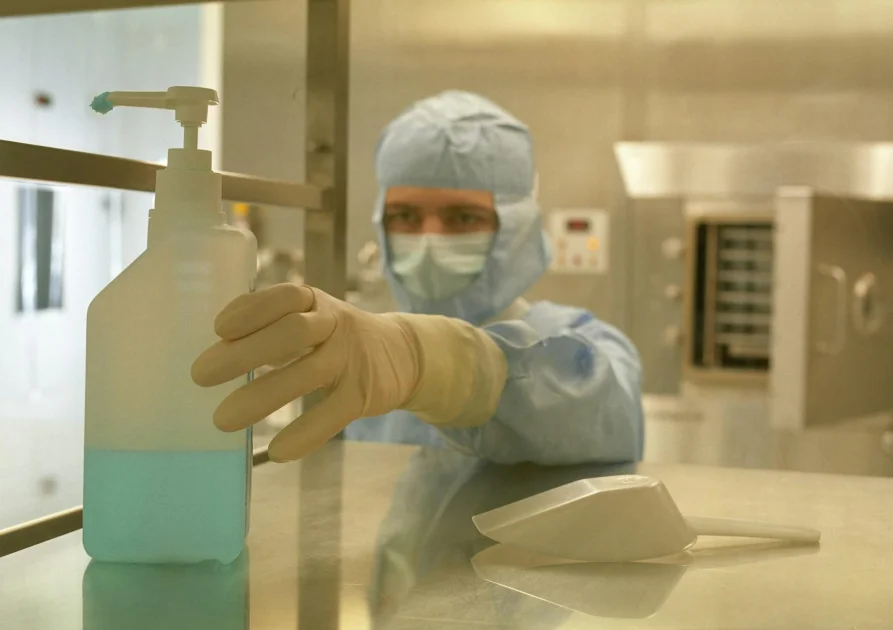
The use of cleanroom garments is essential in preventing contamination and ensuring the quality of products. Cleanroom garments are designed to prevent the release of particles and other contaminants, and they are typically made of materials that are easy to clean and maintain. The use of cleanroom garments is also important for ensuring the safety of personnel working in cleanrooms. By wearing cleanroom garments, personnel can prevent the spread of contamination and ensure that they are not exposed to hazardous materials.
In addition to preventing contamination, cleanroom garments can also help to improve the efficiency of cleanroom operations. By streamlining the use of cleanroom garments, facilities can reduce the risk of contamination and improve the overall quality of their products. This can be achieved through the implementation of a garment control system, which can help to ensure that cleanroom garments are properly used and maintained. The implementation of a garment control system can also help to reduce costs and improve the efficiency of cleanroom operations.
Understanding Cleanroom Garment Systems
A cleanroom garment system is a critical component of any cleanroom facility. It is designed to prevent contamination and ensure the quality of products. A cleanroom garment system typically consists of a range of garments, including gowns, hats, and masks. These garments are designed to prevent the release of particles and other contaminants, and they are typically made of materials that are easy to clean and maintain.
The use of a cleanroom garment system is essential in preventing contamination and ensuring the quality of products. By wearing cleanroom garments, personnel can prevent the spread of contamination and ensure that they are not exposed to hazardous materials. A cleanroom garment system can also help to improve the efficiency of cleanroom operations. By streamlining the use of cleanroom garments, facilities can reduce the risk of contamination and improve the overall quality of their products.
In addition to preventing contamination, a cleanroom garment system can also help to improve the safety of personnel working in cleanrooms. By wearing cleanroom garments, personnel can prevent the spread of contamination and ensure that they are not exposed to hazardous materials. A cleanroom garment system can also help to reduce costs and improve the efficiency of cleanroom operations. The implementation of a garment control system can help to ensure that cleanroom garments are properly used and maintained, which can help to reduce the risk of contamination and improve the overall quality of products.
Key Components of a Cleanroom Garment System
A cleanroom garment system typically consists of a range of garments, including gowns, hats, and masks. These garments are designed to prevent the release of particles and other contaminants, and they are typically made of materials that are easy to clean and maintain. The key components of a cleanroom garment system include:
- Garment material: The material used to make cleanroom garments is critical in preventing contamination. The material should be easy to clean and maintain, and it should be able to prevent the release of particles and other contaminants.
- Garment design: The design of cleanroom garments is also critical in preventing contamination. The design should be simple and easy to use, and it should be able to prevent the release of particles and other contaminants.
- Garment sizing: The sizing of cleanroom garments is also important in preventing contamination. The sizing should be accurate and consistent, and it should be able to fit a range of personnel.
In addition to these key components, a cleanroom garment system should also include a range of accessories, such as gloves and shoe covers. These accessories are designed to prevent the release of particles and other contaminants, and they are typically made of materials that are easy to clean and maintain.
Indian Market Specifics and Regulations
The Indian market for cleanroom garments is highly regulated, with a range of standards and regulations in place to ensure the quality and safety of products. The key regulations and standards include:
- ISO 14644: This standard specifies the requirements for cleanroom facilities, including the use of cleanroom garments.
- ISO 13485: This standard specifies the requirements for medical devices, including the use of cleanroom garments.
- GMP: This regulation specifies the requirements for good manufacturing practice, including the use of cleanroom garments.
In addition to these regulations and standards, the Indian market for cleanroom garments is also subject to a range of industry-specific requirements. For example, the pharmaceutical industry requires the use of cleanroom garments that meet specific standards and regulations.
Comparison and Selection of Cleanroom Garments
The selection of cleanroom garments is critical in preventing contamination and ensuring the quality of products. When selecting cleanroom garments, facilities should consider a range of factors, including:
- Material: The material used to make cleanroom garments is critical in preventing contamination.
- Design: The design of cleanroom garments is also critical in preventing contamination.
- Sizing: The sizing of cleanroom garments is also important in preventing contamination.
In addition to these factors, facilities should also consider the cost and availability of cleanroom garments. The cost of cleanroom garments can vary widely, depending on the material, design, and sizing. Facilities should also consider the availability of cleanroom garments, including the lead time and shipping costs.
Cost Analysis and Practical Tips
The cost of cleanroom garments can vary widely, depending on the material, design, and sizing. Facilities should consider the total cost of ownership, including the cost of purchase, maintenance, and replacement. In addition to the cost, facilities should also consider the practicality of cleanroom garments, including the ease of use and maintenance.
To reduce the cost of cleanroom garments, facilities can consider a range of strategies, including:
- Bulk purchasing: Purchasing cleanroom garments in bulk can help to reduce the cost per unit.
- Standardization: Standardizing the use of cleanroom garments can help to reduce the cost and improve the efficiency of cleanroom operations.
- Re-use: Re-using cleanroom garments can help to reduce the cost and improve the sustainability of cleanroom operations.
Implementation Guide and Best Practices
The implementation of a cleanroom garment system requires careful planning and execution. Facilities should consider a range of factors, including the material, design, and sizing of cleanroom garments. In addition to these factors, facilities should also consider the training and education of personnel, including the proper use and maintenance of cleanroom garments.
To ensure the success of a cleanroom garment system, facilities should consider the following best practices:
- Develop a garment control system: A garment control system can help to ensure that cleanroom garments are properly used and maintained.
- Provide training and education: Providing training and education to personnel can help to ensure that they understand the proper use and maintenance of cleanroom garments.
- Monitor and audit: Monitoring and auditing the use of cleanroom garments can help to ensure that they are properly used and maintained.
Frequently Asked Questions
What is a cleanroom garment system?
A cleanroom garment system is a critical component of any cleanroom facility, designed to prevent contamination and ensure the quality of products.
Why is garment control important in cleanroom operations?
Garment control is important in cleanroom operations because it helps to prevent contamination and ensure the quality of products.
What are the key components of a cleanroom garment system?
The key components of a cleanroom garment system include garment material, garment design, and garment sizing.
How can facilities reduce the cost of cleanroom garments?
Facilities can reduce the cost of cleanroom garments by considering strategies such as bulk purchasing, standardization, and re-use.
What is the importance of training and education in cleanroom garment systems?
Training and education are critical in cleanroom garment systems because they help to ensure that personnel understand the proper use and maintenance of cleanroom garments**.