Introduction
Housekeeping operations are a crucial aspect of maintaining a safe and healthy environment in industrial facilities, and it is essential to streamline these operations to ensure the well-being of employees and the overall efficiency of the facility. In this article, we will explore the importance of housekeeping in industrial facilities and provide a comprehensive guide on how to improve these operations. Housekeeping is not just limited to cleaning and maintenance, but it also involves safety measures, facility management, and operations management. A well-organized housekeeping system can help prevent accidents, reduce costs, and increase productivity. In the context of industrial facilities, housekeeping operations involve a range of activities, including cleaning, waste management, and maintenance of equipment and infrastructure.
The importance of housekeeping operations cannot be overstated, as it has a direct impact on the safety and health of employees. A clean and well-maintained facility can help prevent the spread of diseases and reduce the risk of accidents. Moreover, a well-organized housekeeping system can also help improve the overall efficiency of the facility, by reducing downtime and increasing productivity. In this article, we will provide a comprehensive guide on how to improve housekeeping operations in industrial facilities, including tips on how to streamline operations, reduce costs, and increase productivity.
In addition to the importance of housekeeping operations, it is also essential to consider the management of these operations. Effective management of housekeeping operations involves a range of activities, including planning, organizing, and supervising. It is essential to have a clear understanding of the practices and procedures involved in housekeeping operations, as well as the regulations and standards that govern these operations. In this article, we will provide a comprehensive guide on how to manage housekeeping operations in industrial facilities, including tips on how to plan, organize, and supervise these operations.
Understanding Housekeeping Operations
Housekeeping operations involve a range of activities, including cleaning, waste management, and maintenance of equipment and infrastructure. These operations are essential to maintaining a safe and healthy environment in industrial facilities, and it is crucial to understand the principles and practices involved in these operations. In this section, we will explore the different aspects of housekeeping operations, including the 3 R's of housekeeping, which are reduce, reuse, and recycle.
The 3 R's of housekeeping are essential to reducing waste and promoting sustainability in industrial facilities. Reduce involves reducing the amount of waste generated, reuse involves reusing materials and products, and recycle involves recycling materials and products. By implementing the 3 R's of housekeeping, industrial facilities can reduce their environmental impact and promote sustainability. In addition to the 3 R's, it is also essential to consider the 7 S of housekeeping, which are sort, set, shine, standardize, sustain, safety, and security.
The 7 S of housekeeping provide a framework for implementing effective housekeeping operations in industrial facilities. Sort involves sorting and categorizing materials and products, set involves setting and organizing materials and products, shine involves cleaning and maintaining materials and products, standardize involves standardizing procedures and processes, sustain involves sustaining and maintaining housekeeping operations, safety involves ensuring the safety of employees, and security involves ensuring the security of the facility. By implementing the 7 S of housekeeping, industrial facilities can promote efficiency, productivity, and sustainability.
Best Practices for Housekeeping Operations
There are several best practices for housekeeping operations in industrial facilities, including cleaning, waste management, and maintenance of equipment and infrastructure. In this section, we will explore these best practices and provide tips on how to implement them. One of the most important best practices for housekeeping operations is to establish a cleaning schedule, which involves scheduling and organizing cleaning activities on a regular basis.
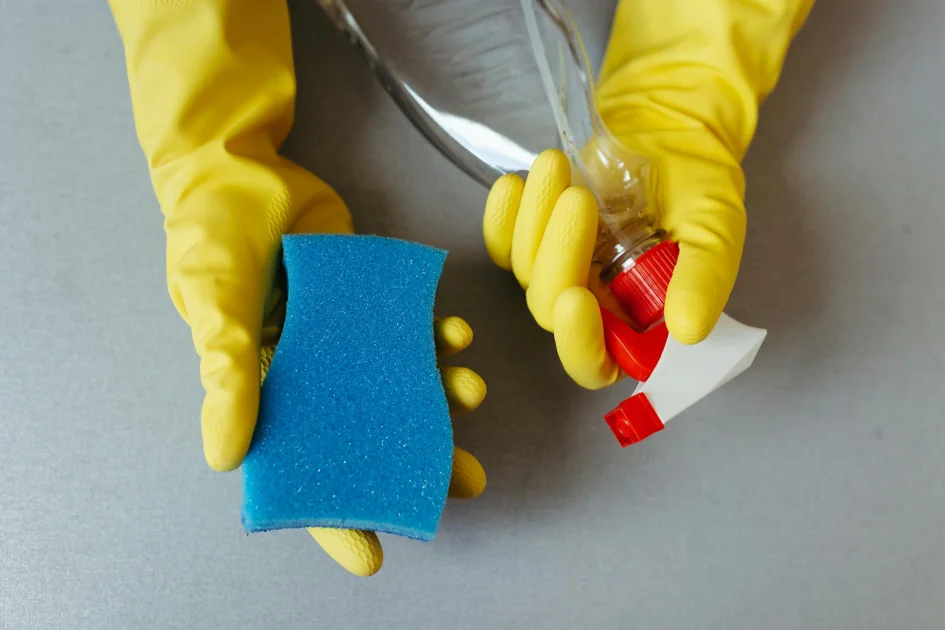
In addition to establishing a cleaning schedule, it is also essential to consider the use of cleaning products and equipment. Cleaning products should be chosen based on their effectiveness and safety, and equipment should be chosen based on its durability and ease of use. Moreover, it is essential to train employees on the use of cleaning products and equipment, as well as on the importance of safety and security. By implementing these best practices, industrial facilities can promote efficiency, productivity, and sustainability.
Some of the key best practices for housekeeping operations include:
- Establishing a cleaning schedule
- Using effective cleaning products
- Using durable and easy-to-use equipment
- Training employees on safety and security
- Implementing the 3 R's and 7 S of housekeeping
By implementing these best practices, industrial facilities can reduce waste, promote sustainability, and improve the overall efficiency and productivity of their operations.
Indian Market Specifics and Regulations
In India, there are several regulations and standards that govern housekeeping operations in industrial facilities. These regulations and standards are designed to promote safety, health, and environmental sustainability. In this section, we will explore these regulations and standards and provide tips on how to comply with them. One of the most important regulations governing housekeeping operations in India is the Factories Act, 1948, which requires industrial facilities to maintain a safe and healthy work environment.
In addition to the Factories Act, 1948, there are several other regulations and standards that govern housekeeping operations in India, including the Environmental Protection Act, 1986 and the Occupational Safety and Health Act, 2020. These regulations and standards require industrial facilities to implement effective housekeeping operations, including waste management and pollution control. By complying with these regulations and standards, industrial facilities can promote safety, health, and environmental sustainability.
Some of the key regulations and standards governing housekeeping operations in India include:
- Factories Act, 1948
- Environmental Protection Act, 1986
- Occupational Safety and Health Act, 2020
- Indian Standard for Housekeeping, IS 1448:1998
By complying with these regulations and standards, industrial facilities can reduce the risk of accidents and promote a safe and healthy work environment.
Comparison and Selection of Housekeeping Products
When it comes to selecting housekeeping products, there are several factors to consider, including effectiveness, safety, and cost. In this section, we will compare and select housekeeping products based on these factors and provide tips on how to choose the best products for your facility. One of the most important factors to consider when selecting housekeeping products is effectiveness, which involves choosing products that are effective in cleaning and maintaining surfaces and equipment.
In addition to effectiveness, it is also essential to consider the safety of housekeeping products, which involves choosing products that are safe for employees and the environment. Safety is a critical factor in housekeeping operations, and it is essential to choose products that minimize the risk of accidents and injuries. Moreover, it is essential to consider the cost of housekeeping products, which involves choosing products that are affordable and provide good value for money.
Some of the key factors to consider when selecting housekeeping products include:
- Effectiveness
- Safety
- Cost
- Environmental sustainability
- Compliance with regulations and standards
By considering these factors, industrial facilities can choose the best housekeeping products for their operations and promote safety, health, and environmental sustainability.
Cost Analysis and Practical Tips
When it comes to implementing effective housekeeping operations, there are several costs to consider, including the cost of cleaning products, equipment, and labor. In this section, we will analyze these costs and provide practical tips on how to reduce them. One of the most important tips for reducing costs is to implement a cost-effective housekeeping system, which involves choosing affordable cleaning products and equipment and minimizing labor costs.
In addition to implementing a cost-effective housekeeping system, it is also essential to consider the return on investment (ROI) of housekeeping operations, which involves calculating the benefits of effective housekeeping operations, including improved safety, health, and productivity. By calculating the ROI of housekeeping operations, industrial facilities can justify the investment in effective housekeeping operations and promote sustainability.
Some of the key costs to consider when implementing housekeeping operations include:
- Cost of cleaning products
- Cost of equipment
- Cost of labor
- Cost of training and development
By considering these costs and implementing a cost-effective housekeeping system, industrial facilities can reduce costs and promote sustainability.
Implementation Guide and Best Practices
When it comes to implementing effective housekeeping operations, there are several best practices to consider, including planning, organizing, and supervising. In this section, we will provide an implementation guide and best practices for housekeeping operations and provide tips on how to promote safety, health, and environmental sustainability. One of the most important best practices for housekeeping operations is to establish a cleaning schedule, which involves scheduling and organizing cleaning activities on a regular basis.
In addition to establishing a cleaning schedule, it is also essential to consider the use of cleaning products and equipment, which involves choosing effective and safe products and equipment. Moreover, it is essential to train employees on the use of cleaning products and equipment, as well as on the importance of safety and security. By implementing these best practices, industrial facilities can promote safety, health, and environmental sustainability.
Some of the key best practices for housekeeping operations include:
- Establishing a cleaning schedule
- Using effective and safe cleaning products and equipment
- Training employees on safety and security
- Implementing the 3 R's and 7 S of housekeeping
By implementing these best practices, industrial facilities can reduce waste, promote sustainability, and improve the overall efficiency and productivity of their operations.
Frequently Asked Questions
What are the 3 R's in housekeeping?
The 3 R's in housekeeping are reduce, reuse, and recycle, which involve reducing waste, reusing materials and products, and recycling materials and products.
How to improve industrial housekeeping?
Industrial housekeeping can be improved by implementing effective housekeeping operations, including cleaning, waste management, and maintenance of equipment and infrastructure. It is also essential to train employees on the importance of safety and security and to implement the 3 R's and 7 S of housekeeping.
What are the 7 S of housekeeping?
The 7 S of housekeeping are sort, set, shine, standardize, sustain, safety, and security, which provide a framework for implementing effective housekeeping operations in industrial facilities.
What are the 7 steps of planning housekeeping operations?
The 7 steps of planning housekeeping operations include identifying the scope of work, establishing a cleaning schedule, choosing effective and safe cleaning products and equipment, training employees on safety and security, implementing the 3 R's and 7 S of housekeeping, monitoring and evaluating housekeeping operations, and continuous improvement.