Introduction
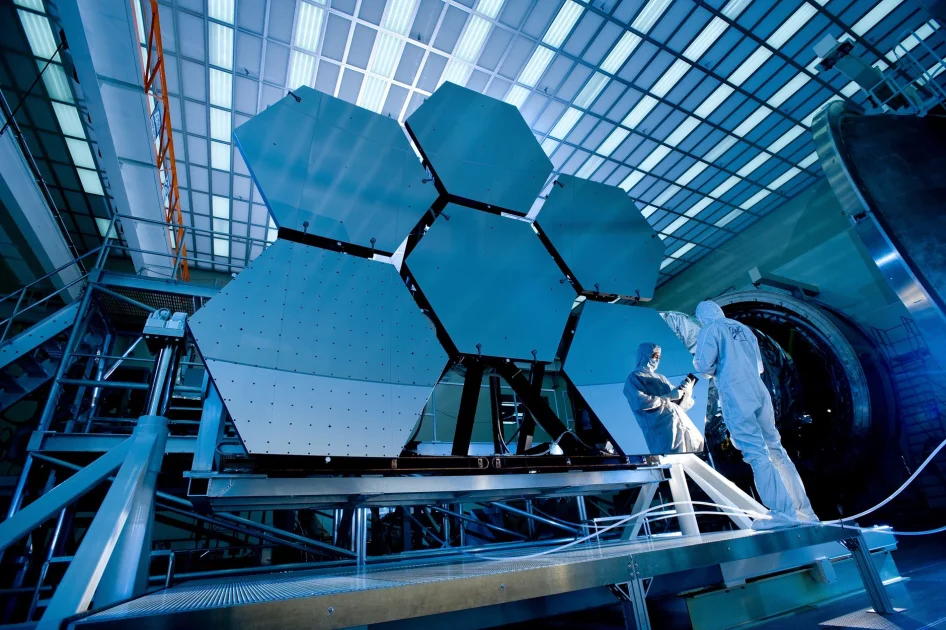
A cleanroom is a controlled environment that has a low level of pollutants such as dust, airborne microbes, and chemical vapors. The cleanroom classification is a crucial aspect of maintaining the integrity of the products being manufactured or processed within the cleanroom. In this article, we will delve into the world of cleanroom classifications and provide a comprehensive guide on the requirements and standards for each class. The importance of cleanroom classification cannot be overstated, as it directly impacts the quality of the products being produced.
The cleanroom environment is critical in various industries such as pharmaceuticals, biotechnology, and electronics, where even the slightest contamination can have severe consequences. The cleanroom classification system is designed to ensure that the environment meets the required standards for the specific industry or application. In this article, we will explore the different cleanroom classifications and provide a step-by-step guide on how to determine the required class for your specific needs.
The cleanroom classification system is based on the number of particles per cubic meter of air, with lower numbers indicating a cleaner environment. The most common cleanroom classifications are Class 100, Class 1000, Class 10000, and Class 100000. Each class has its own set of requirements and standards, which will be discussed in detail in this article.
Cleanroom Classifications
The cleanroom classification system is divided into several classes, each with its own set of requirements and standards. The most common cleanroom classifications are Class 100, Class 1000, Class 10000, and Class 100000. The cleanroom classification is determined by the number of particles per cubic meter of air, with lower numbers indicating a cleaner environment.
The cleanroom classification system is based on the ISO 14644-1 standard, which provides guidelines for the classification of cleanrooms. The standard defines the requirements for each class, including the maximum allowable concentration of particles, the minimum airflow rate, and the maximum allowable temperature and humidity levels.
The cleanroom classification system is critical in ensuring that the environment meets the required standards for the specific industry or application. For example, in the pharmaceutical industry, a Class 100 cleanroom is required for the manufacture of injectable products, while a Class 1000 cleanroom is sufficient for the manufacture of topical products.
Cleanroom Requirements
The cleanroom requirements vary depending on the class and the specific industry or application. Some of the key cleanroom requirements include:
- Airflow rate: The minimum airflow rate required to maintain the desired cleanroom classification.
- Temperature control: The ability to control the temperature within the cleanroom to maintain a consistent environment.
- Humidity control: The ability to control the humidity within the cleanroom to maintain a consistent environment.
- Particle count: The maximum allowable concentration of particles per cubic meter of air.
The cleanroom requirements also include the use of cleanroom clothing and cleanroom equipment to minimize the introduction of contaminants into the environment. The cleanroom clothing includes gowns, gloves, and masks, while the cleanroom equipment includes filtration systems and airflow control systems.
Cleanroom Classification Standards
The cleanroom classification standards are defined by the ISO 14644-1 standard, which provides guidelines for the classification of cleanrooms. The standard defines the requirements for each class, including the maximum allowable concentration of particles, the minimum airflow rate, and the maximum allowable temperature and humidity levels.
The cleanroom classification standards also include guidelines for the testing and validation of cleanrooms. The testing includes the measurement of particle counts, airflow rates, and temperature and humidity levels. The validation includes the verification of the cleanroom classification and the certification of the cleanroom by a qualified third-party auditor.
The cleanroom classification standards are critical in ensuring that the environment meets the required standards for the specific industry or application. The standards provide a framework for the design, construction, and operation of cleanrooms, and ensure that the environment is safe and effective for the manufacture of products.
Indian Market Specifics
The Indian market has its own set of cleanroom classification requirements and standards. The Indian Pharmacopoeia and the Indian Standards provide guidelines for the classification of cleanrooms in the pharmaceutical industry.
The Indian Pharmacopoeia defines the requirements for cleanrooms in the pharmaceutical industry, including the maximum allowable concentration of particles, the minimum airflow rate, and the maximum allowable temperature and humidity levels. The Indian Standards provide guidelines for the design, construction, and operation of cleanrooms in the pharmaceutical industry.
The Indian market also has its own set of regulations and standards for the manufacture of products in cleanrooms. The Central Drugs Standard Control Organisation (CDSCO) regulates the manufacture of pharmaceutical products in India, and ensures that the products meet the required standards of quality and safety.
Buying Guide
When purchasing cleanroom equipment and cleanroom supplies, it is essential to consider the cleanroom classification requirements and standards. The buying guide should include the following factors:
- Cleanroom classification: The cleanroom classification required for the specific industry or application.
- Equipment requirements: The cleanroom equipment required to maintain the desired cleanroom classification.
- Supply requirements: The cleanroom supplies required to maintain the desired cleanroom classification.
- Budget: The budget available for the purchase of cleanroom equipment and cleanroom supplies.
The buying guide should also include a comparison of different cleanroom equipment and cleanroom supplies available in the market. The comparison should include factors such as price, quality, and performance.
Cost Analysis
The cost analysis of cleanroom equipment and cleanroom supplies is essential to determine the return on investment (ROI). The cost analysis should include the following factors:
- Initial investment: The initial investment required to purchase cleanroom equipment and cleanroom supplies.
- Operating costs: The operating costs associated with the maintenance and operation of cleanroom equipment and cleanroom supplies.
- Energy costs: The energy costs associated with the operation of cleanroom equipment and cleanroom supplies.
- Replacement costs: The replacement costs associated with the replacement of cleanroom equipment and cleanroom supplies.
The cost analysis should also include a comparison of different cleanroom equipment and cleanroom supplies available in the market. The comparison should include factors such as price, quality, and performance.
Implementation Guide
The implementation guide for cleanroom equipment and cleanroom supplies is essential to ensure that the environment meets the required standards for the specific industry or application. The implementation guide should include the following factors:
- Cleanroom design: The design of the cleanroom to ensure that it meets the required standards.
- Cleanroom construction: The construction of the cleanroom to ensure that it meets the required standards.
- Cleanroom operation: The operation of the cleanroom to ensure that it meets the required standards.
- Cleanroom maintenance: The maintenance of the cleanroom to ensure that it meets the required standards.
The implementation guide should also include a schedule for the maintenance and operation of cleanroom equipment and cleanroom supplies. The schedule should include regular checks and maintenance to ensure that the environment meets the required standards.
Frequently Asked Questions
What are the requirements for a clean room classification?
The requirements for a clean room classification include the maximum allowable concentration of particles, the minimum airflow rate, and the maximum allowable temperature and humidity levels.
What does class 100 and class 1000 cleanroom mean?
Class 100 and Class 1000 cleanrooms refer to the maximum allowable concentration of particles per cubic meter of air. A Class 100 cleanroom has a maximum allowable concentration of 100 particles per cubic meter of air, while a Class 1000 cleanroom has a maximum allowable concentration of 1000 particles per cubic meter of air.
Is class 7 better than class 8 cleanroom?
Class 7 and Class 8 cleanrooms refer to the ISO 14644-1 standard for cleanroom classification. A Class 7 cleanroom is considered better than a Class 8 cleanroom because it has a lower maximum allowable concentration of particles per cubic meter of air.
What are the ISO 7 cleanroom guidelines?
The ISO 7 cleanroom guidelines refer to the ISO 14644-1 standard for cleanroom classification. The guidelines include the maximum allowable concentration of particles per cubic meter of air, the minimum airflow rate, and the maximum allowable temperature and humidity levels for a Class 7 cleanroom.